Recap — Activating Archival Histories
Repetition and omission in the archive
What is the role of the archive today? What truths does it hold, and who decides which of those need to be narrated and exposed?
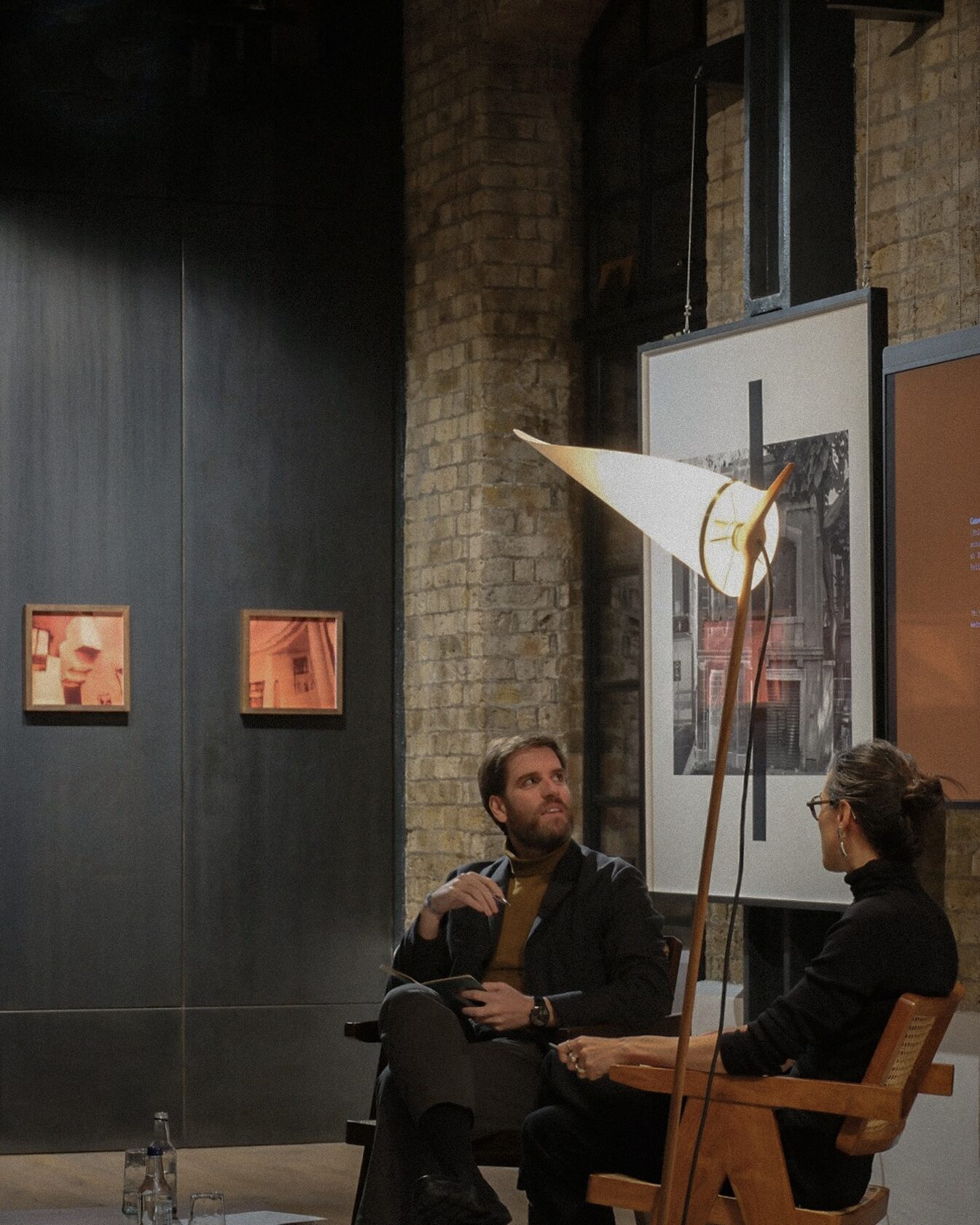
Activating Archival Histories was an event held at Obra early in November – a conversation between Gabriel Hernández, PhD Architect, curator, scholar and Adjunct Professor at ETSAM Universidad Politécnica de Madrid, and María Páez González, Associate Professor and Programme Director at The Bartlett School of Architecture, UCL. The talk discussed the archive’s role as an agent for new research possibilities in architecture – how working with archival taxonomies can pose questions on wider subjects of historical legitimacy and selective storytelling.
Hernández and González opened the discussion with a series of questions around hierarchies of knowledge, discussing the ethics around how they are ordered within the institutional archive. What is the necessity of the archive to discover hidden or overlooked truths – to find and understand realities to frame? How can archives relocate knowledge that has been left behind?
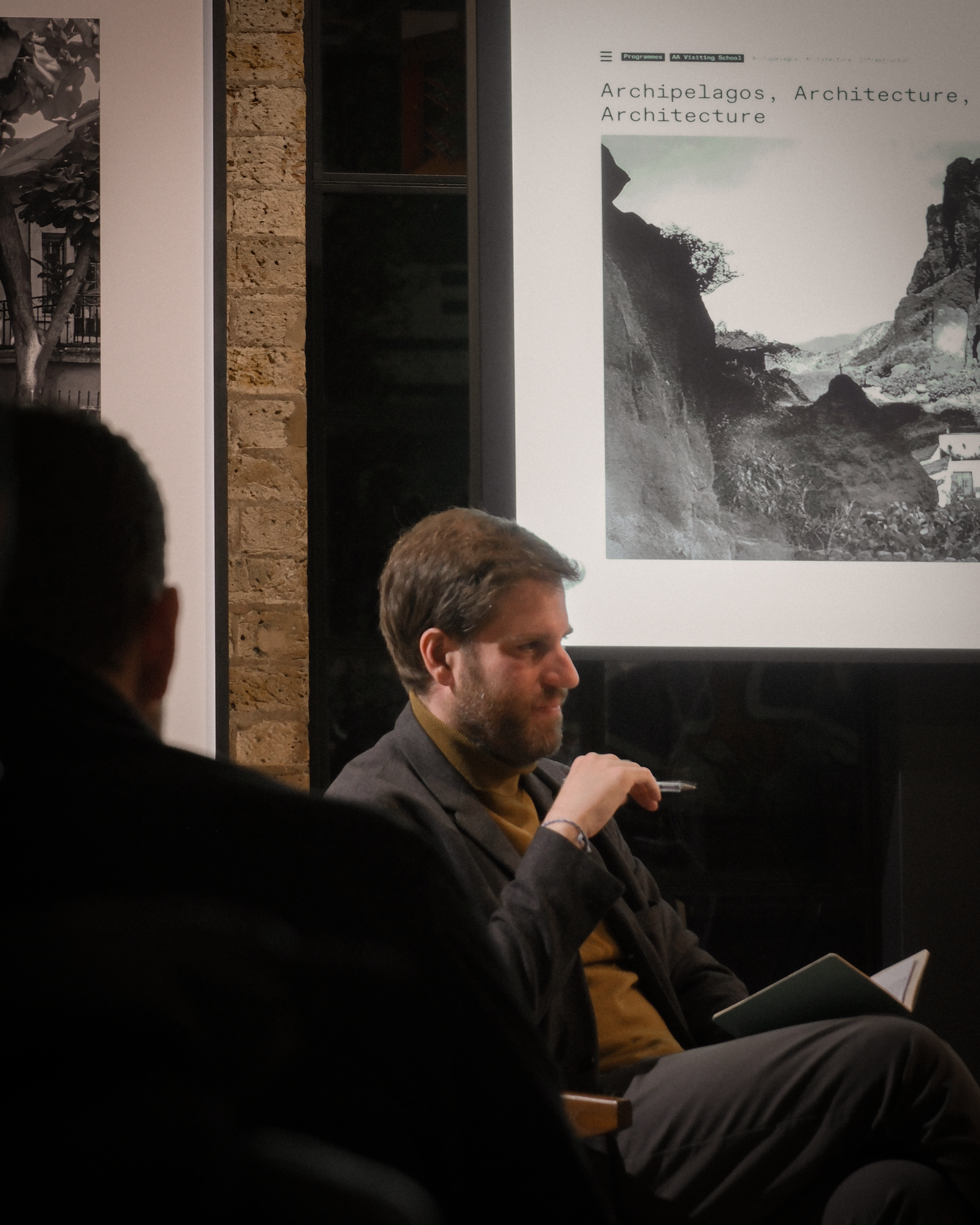
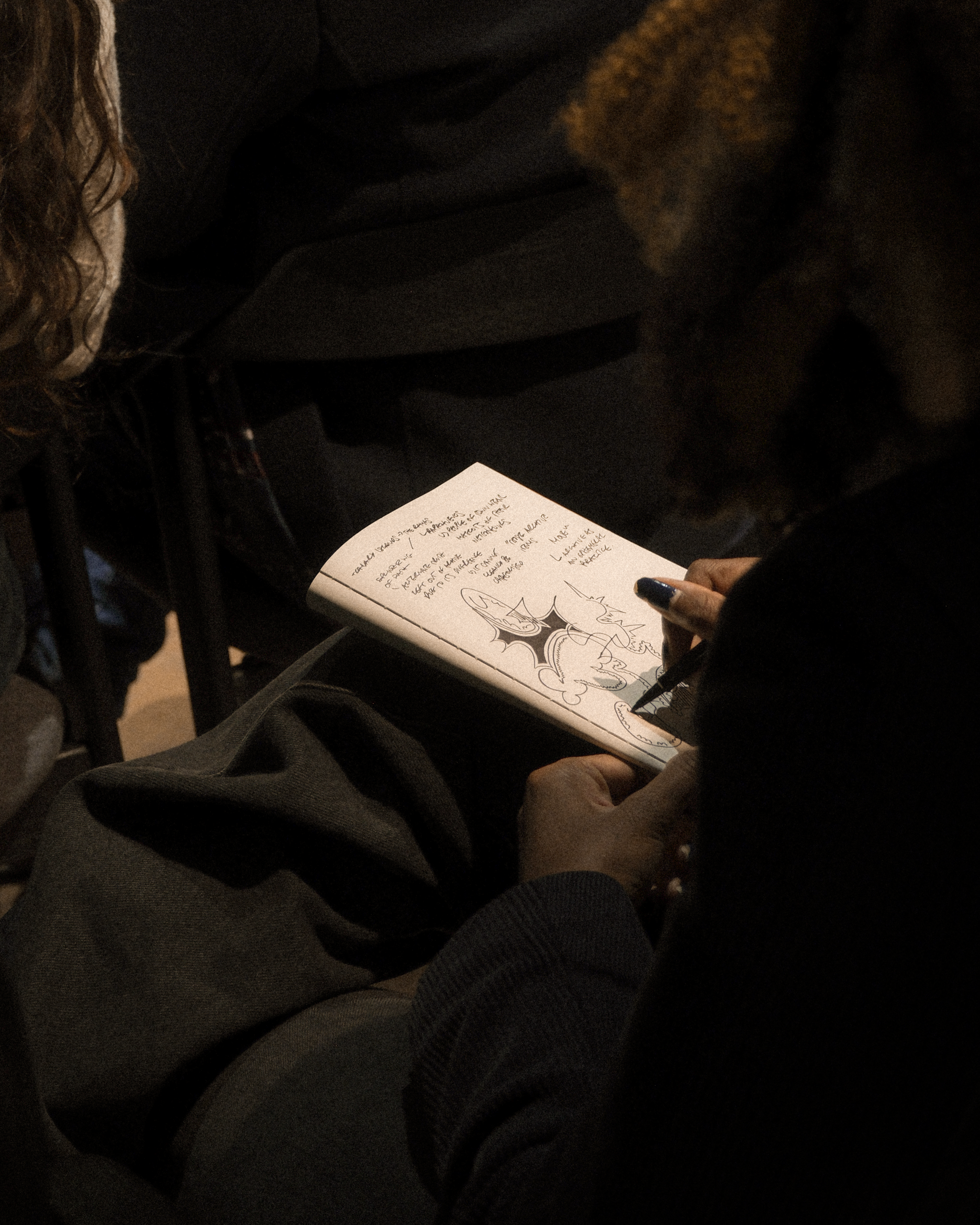
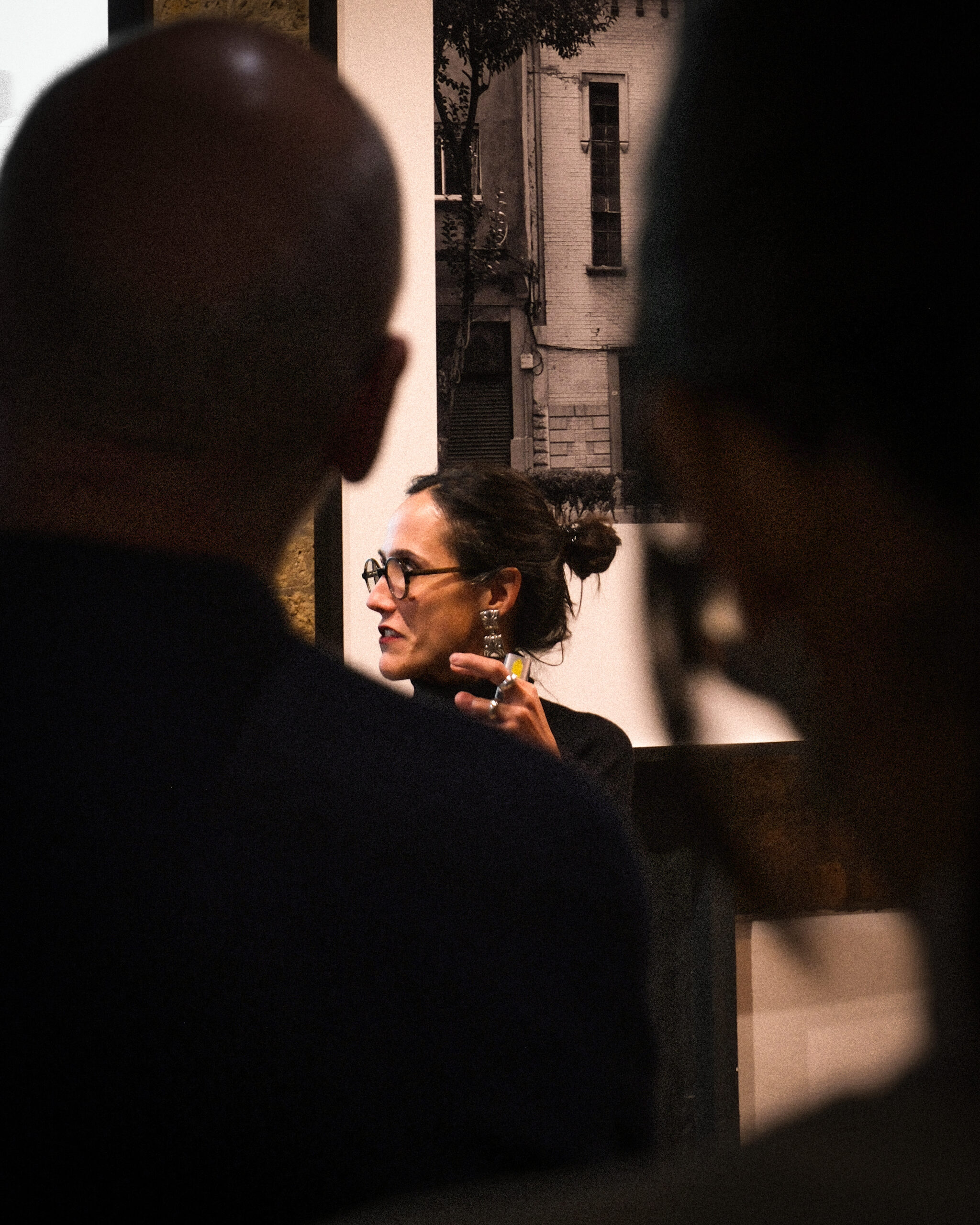
The conversation positioned the architectural archive as more than a repository of historical material. Hernández and González’s own practices question how archives are constructed, interpreted and activated, and what forms of knowledge they preserve or exclude. Through his work establishing the Norman Foster Foundation’s collection in Madrid, Hernández highlighted the important distinction between storing and archiving: the institutional authority involved in selecting, organising and constructing architectural narratives. González also touched on institution-making, yet more so through the lens of negation: what knowledge escapes institutional narratives? How might less tangible rituals, collective memory and ephemeral spatial practices constitute alternative architectural archives?
The idea of degrees of intentionality was brought to the fore through González’ Island Rain Architecture research – a Canary Islands-based project in which the relationship between water and architecture is examined. Within this work, González investigated rituals as a form of living architectural archive, tracing territorial relationships and examining embodied histories that have been left out of institutional representation.
The research project included study on the Rama: an annual ritual in Agaete, Gran Canaria, in which participants collect carefully selected branches from the forest and carry them down towards the town as part of a Catholic festival. Its contested history suggests possible connections to Indigenous practices involving water, and its chronology and recording poses a counterpoint to conventional archival practices. Through the capture or lack thereof of the Rama, González questioned how collective memory, ecological knowledge and ephemeral spatial rituals might preserve architectural histories beyond physical artefacts.
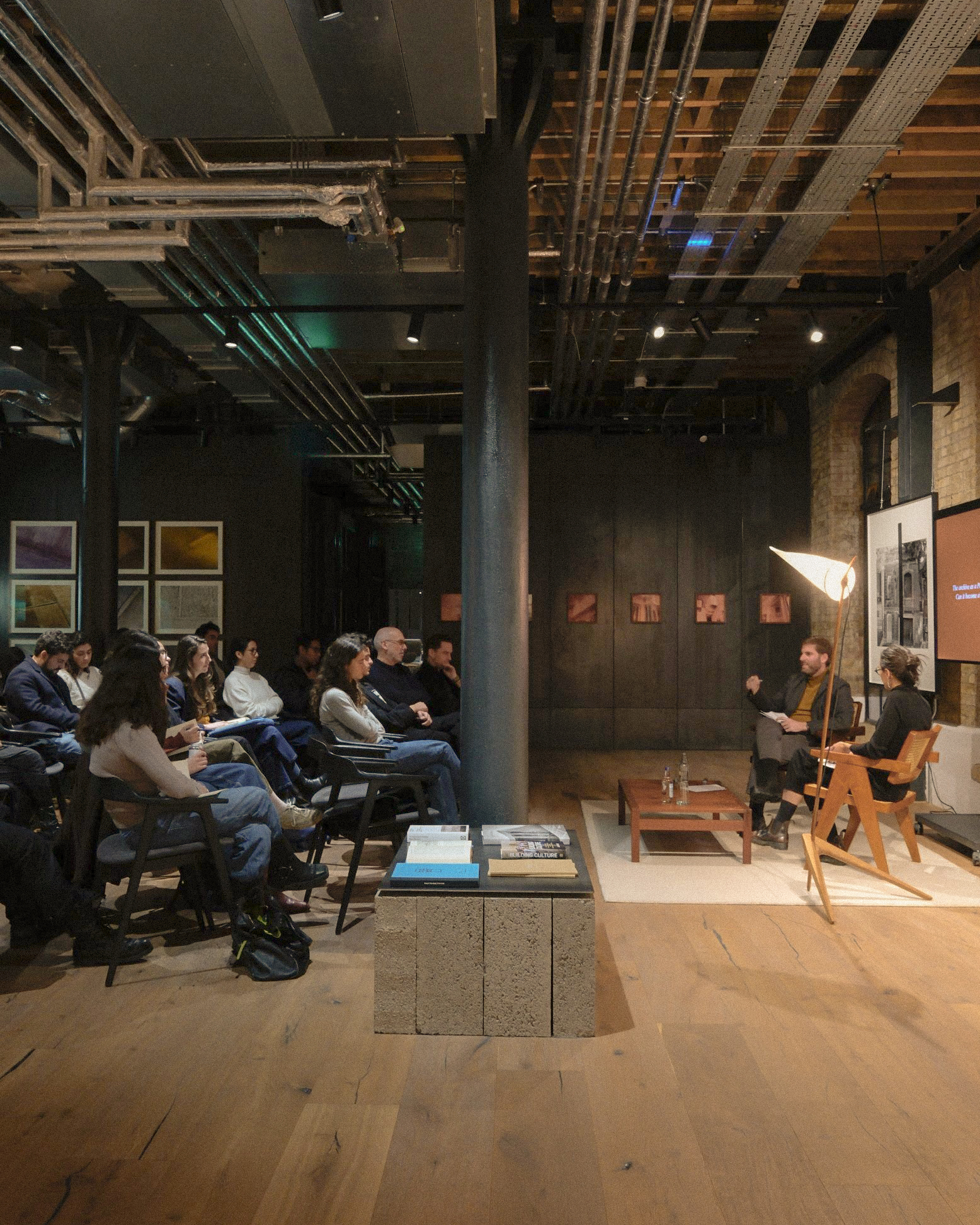
The conversation opened dialogue on other facets of the archive and its evolving role. These included ideas of physical versus digital archives; the spatial and inhabitable qualities of the archive; and the self-referentiality of architectural archives in particular – where the practice of architecture defines the archive as a place of memory, ceaseless reconsideration and correction.