Artesano de varilla / Rebar craftsmanship
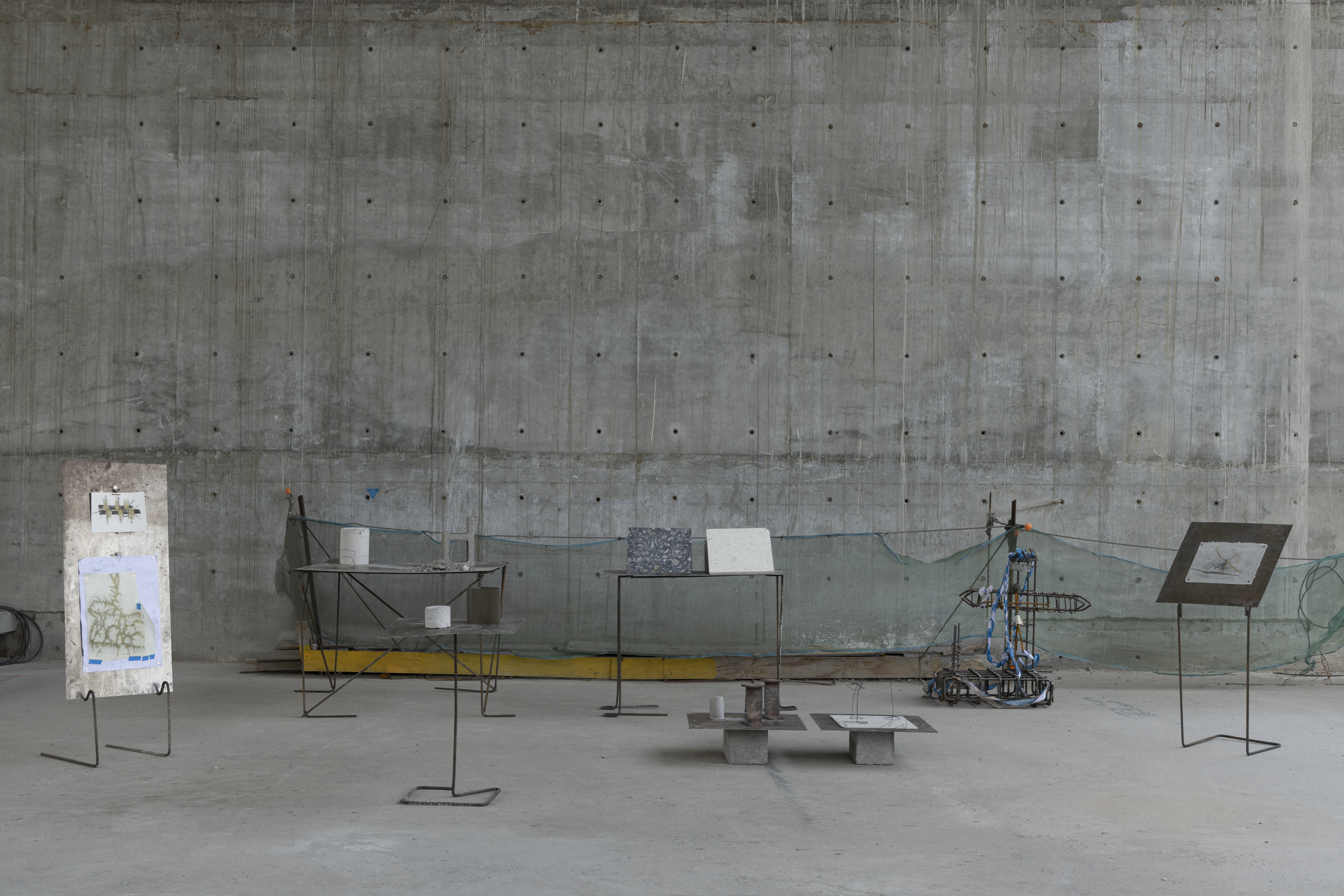
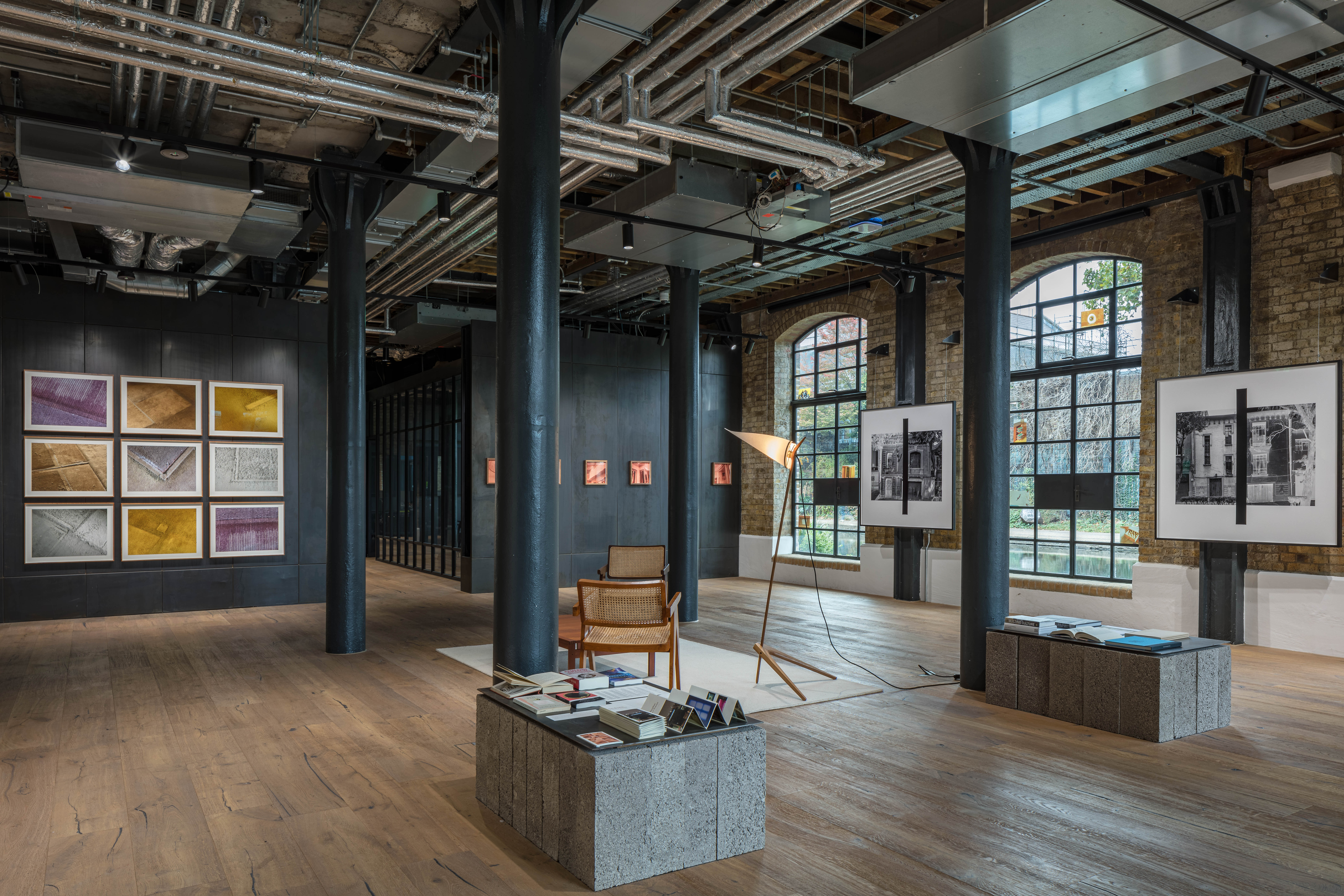
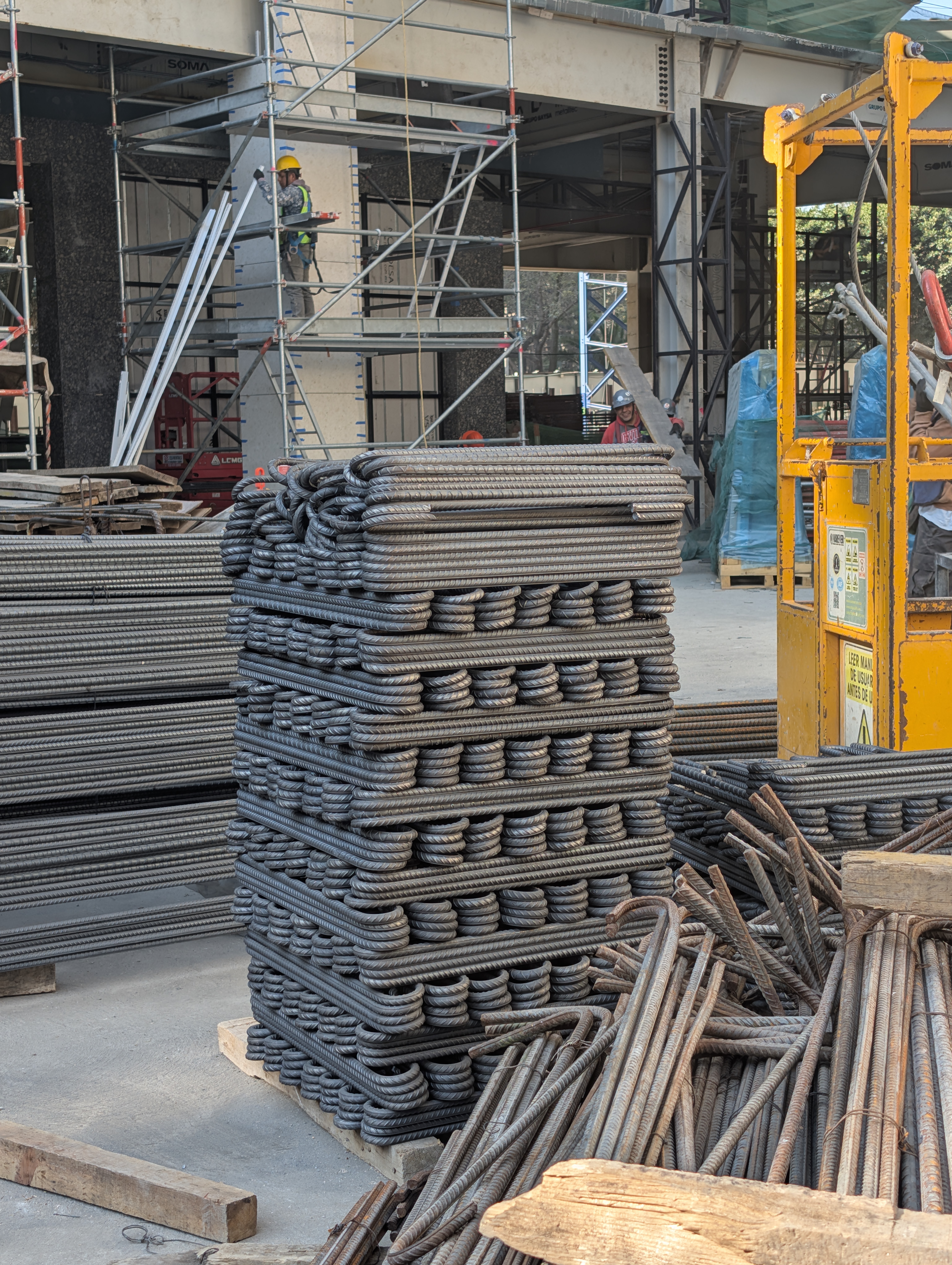
With the curatorial thread as a design framework, the exhibition design for Memory as Material emerges from a desire to foreground the ephemeral and often hidden materialities of the construction site—of Latin American obras. To do so, we collaborated closely with fierreros, or rebar workers, currently working on two of Sordo Madaleno’s projects in Mexico City. Rebar work is often described by the workers themselves as one of the most physically and psychologically demanding practices on a construction site. In many ways, they are the pioneers of construction, crafting a wide range of standard and bespoke rebar (varilla) systems, tying them together with wire, and shaping the rebar to erect the design’s spine within a preexisting environment. Yet before one can fully grasp it, this “skeleton of labor,” as Sérgio Ferro poignantly puts it, is covered in concrete and concealed beneath the smooth surfaces imagined by architects, even as it continues to quietly sustain them.
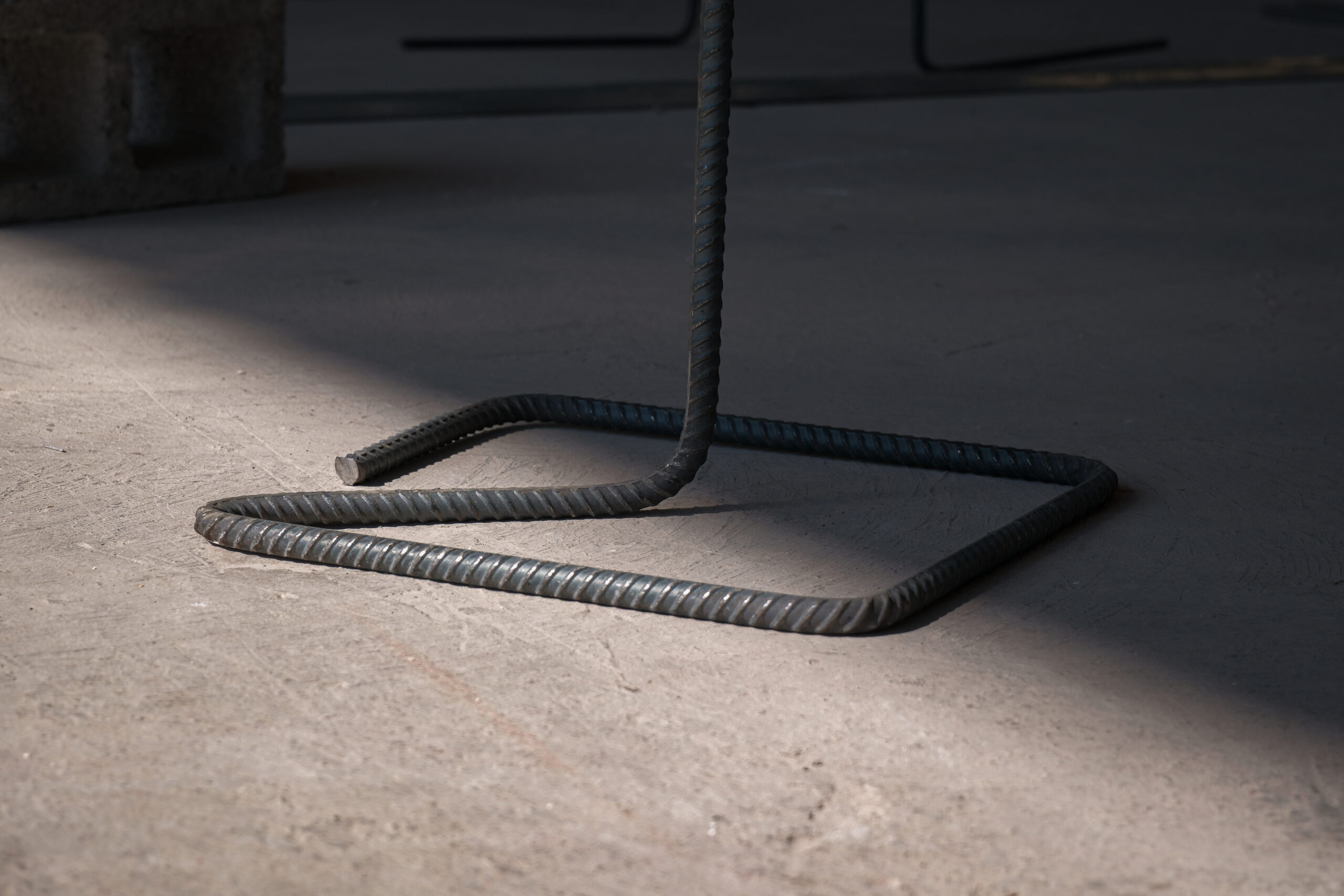
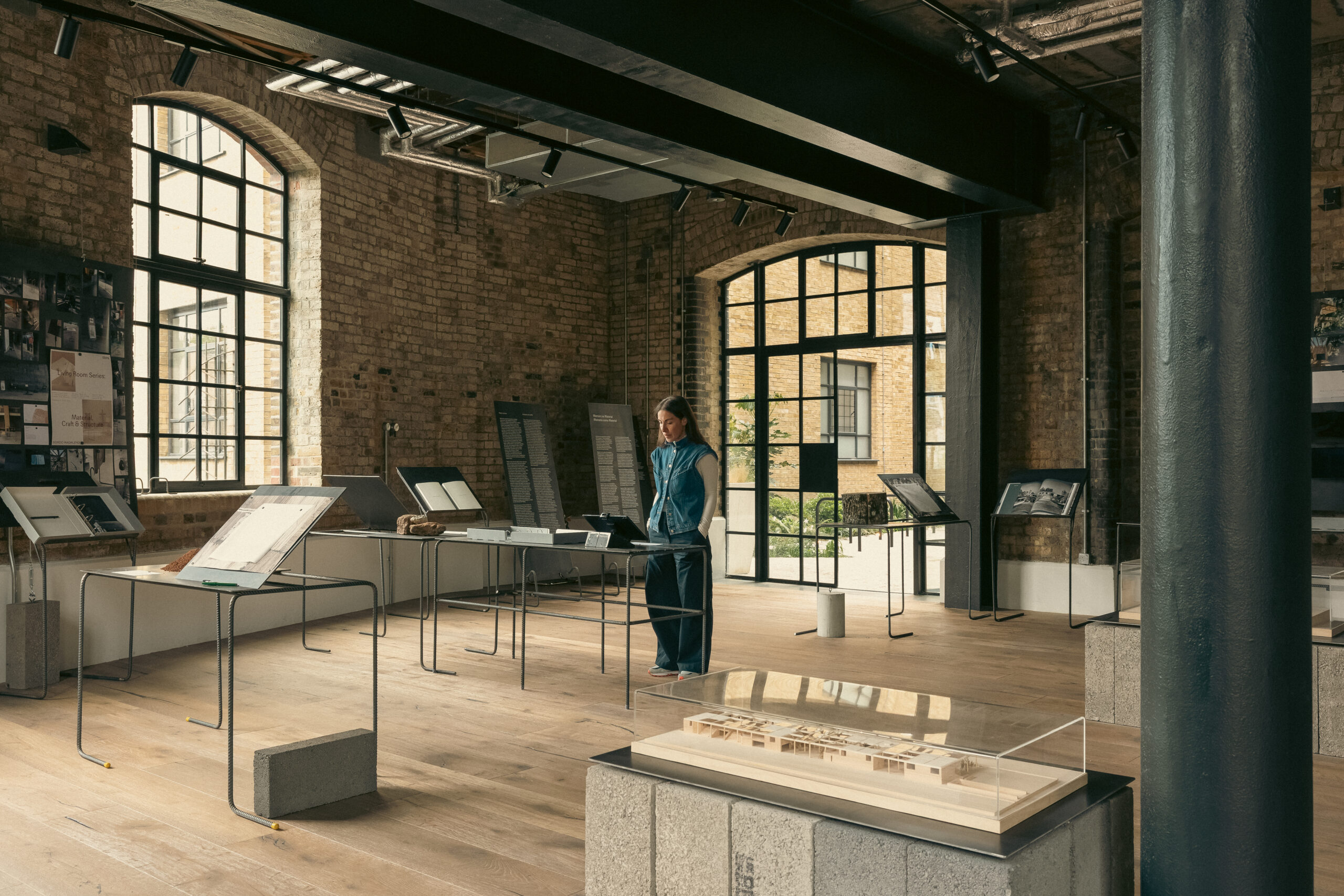
Rebar is not only the object of the fierreros’ work, but often also its tool and medium. When a solution must be improvised quickly, and precarity is met with a cunning and often humorous creativity, rebar is commonly cut with a saw made from rebar, supported by a table made from rebar, and adjusted with a hammer… made from rebar. The safety rails, temporarily cast into the concrete floors and used by workers to secure their harnesses while assembling metal formwork at height, are also made of rebar. Across the site, everything from clothes to fire extinguishers is hung from self-supporting rebar structures. When a working surface is needed, burros (literally translated as donkies), like the ones supporting several of the display surfaces showcased here, are quickly bent using the muerto (the dead)—any table-like surface to which rebar tridents are fasten to. This continual act of supporting one’s own condition and space of labor with the very material being worked with permeates the construction site landscape, giving it form and character. When imagining the display surfaces that would hold the memories and materialities presented in Memory as Material, turning to the temporary designs and typologies created by the fierreros felt fitting.
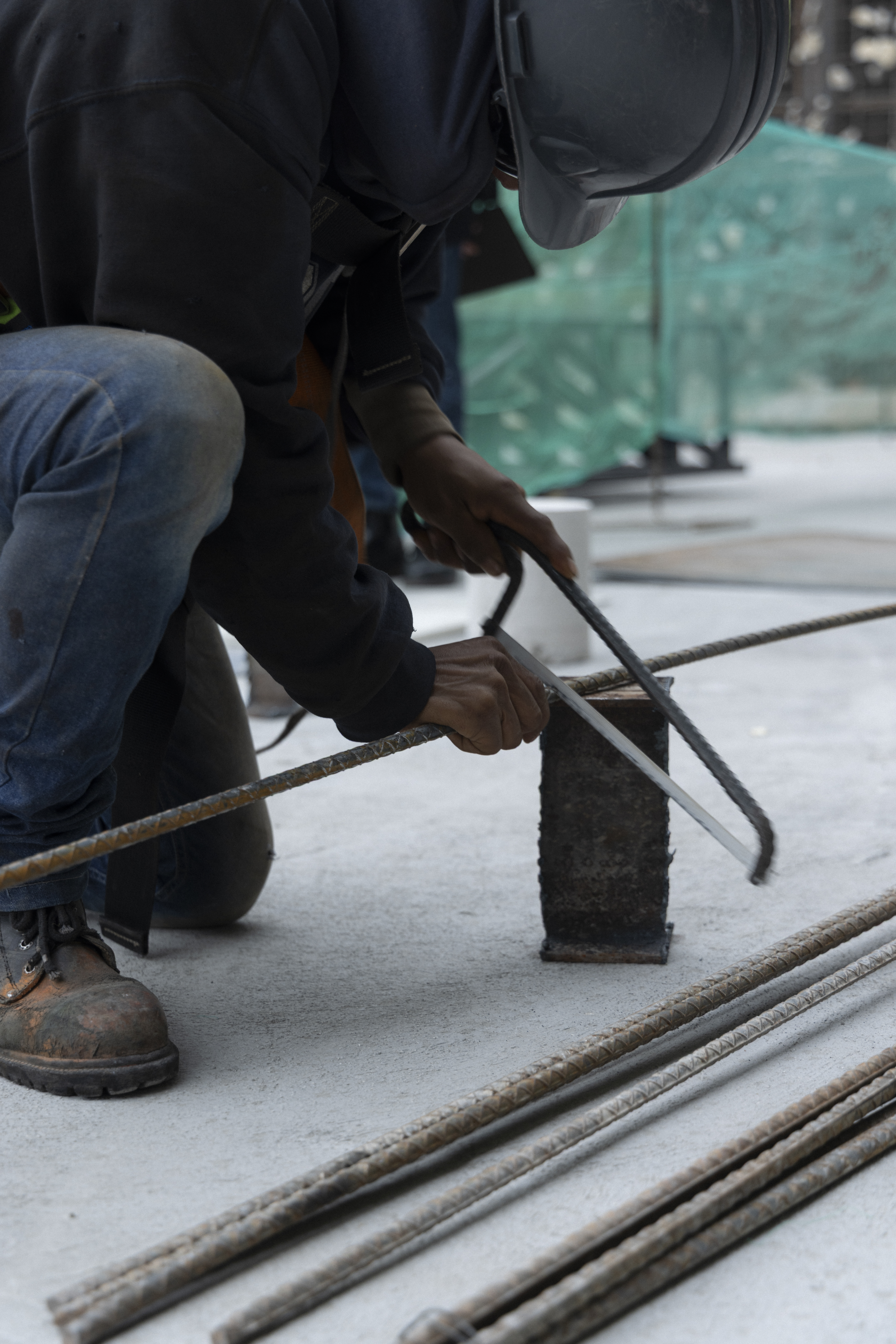
Over the course of three months, we organized workshops with a group of fierreros in Mexico City to co-design and fabricate the display furniture. The distinct character of each piece reflects the creativity and labor-intensive craftsmanship involved in its production, whether through machines in the more standard cases or by hand in the more complex ones. Mauricio Benito Olmos, the self-described artesano de varilla (rebar craftsman), co-led both the design and fabrication processes, supported by a number of colleagues who do not hesitate to remind us that, in an environment where worker and structure often seem to share the same body, there is dignity in working with varilla.