Straw-ctural Designers: Rethinking the Classroom
Notions of play, utopia, possibility, and whimsy defined Obra’s first children’s workshop, Straw-ctural Designers: Rethinking the Classroom. Over 40 families, with children ranging from 5 to 14, spent a Saturday afternoon exploring a central prompt: how can the natural world become more integrated with learning places and experiences?
The workshop, in both its planning and its delivery, was a collaboration between Simple Works and Sordo Madaleno for Open House Festival 2026: Simple Works’ expertise in the structural design of purpose-driven community and education projects, and Sordo Madaleno’s experience designing learning environments that work with nature.
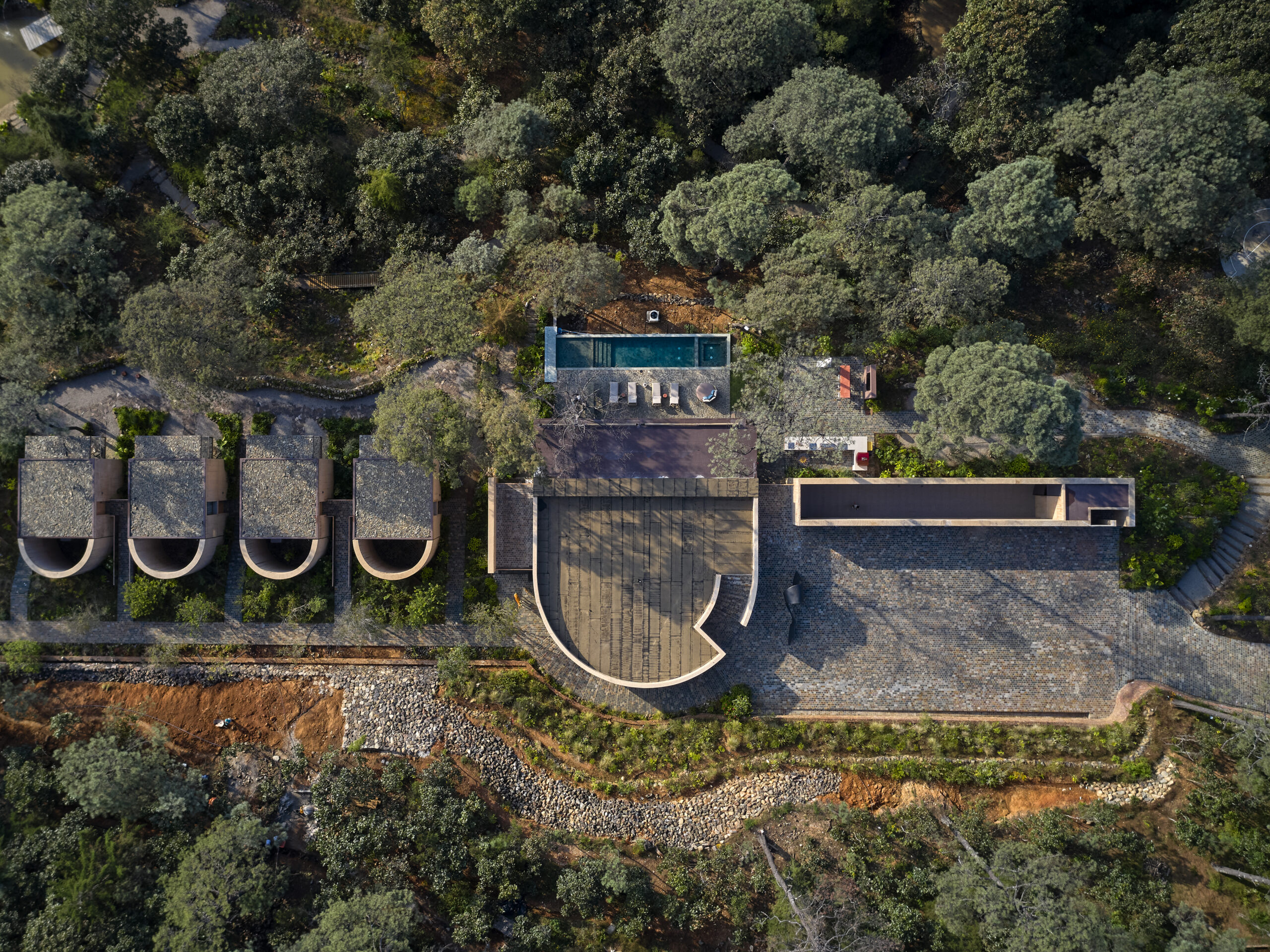
With Memory as Material‘s exhibition content as a backdrop, Sordo Madaleno architects drew on the design of the Canadian School, leading to inquiries about where classrooms begin and end, where learning takes place, and what a building can teach when it learns from its context. At the Canadian School, that context is unmistakable: volcanic basalt underfoot, views out to the volcano itself, and a reference system rooted in pre-Hispanic landscapes — a school where the ground, the horizon, and the history of the place are all part of the lesson.
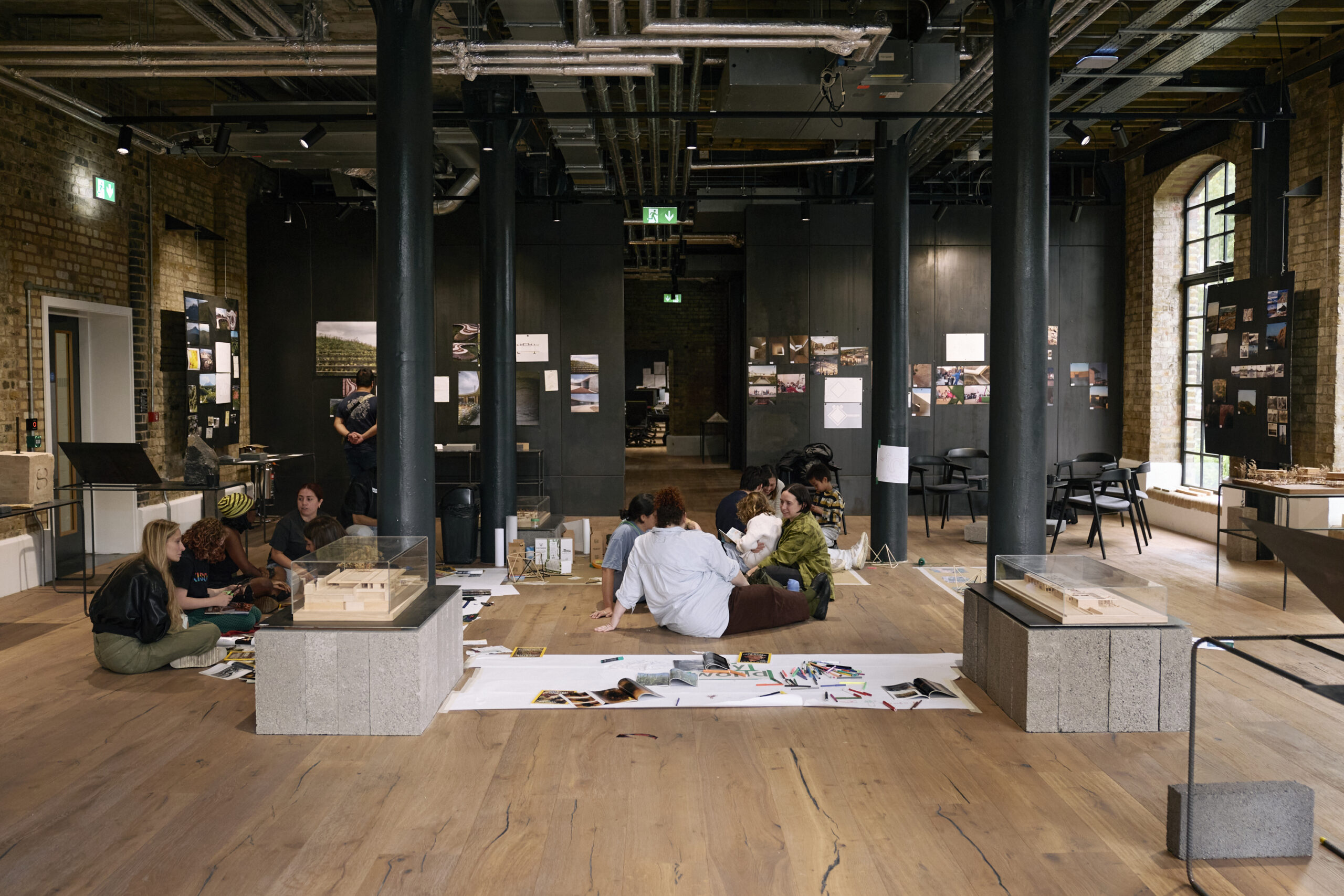
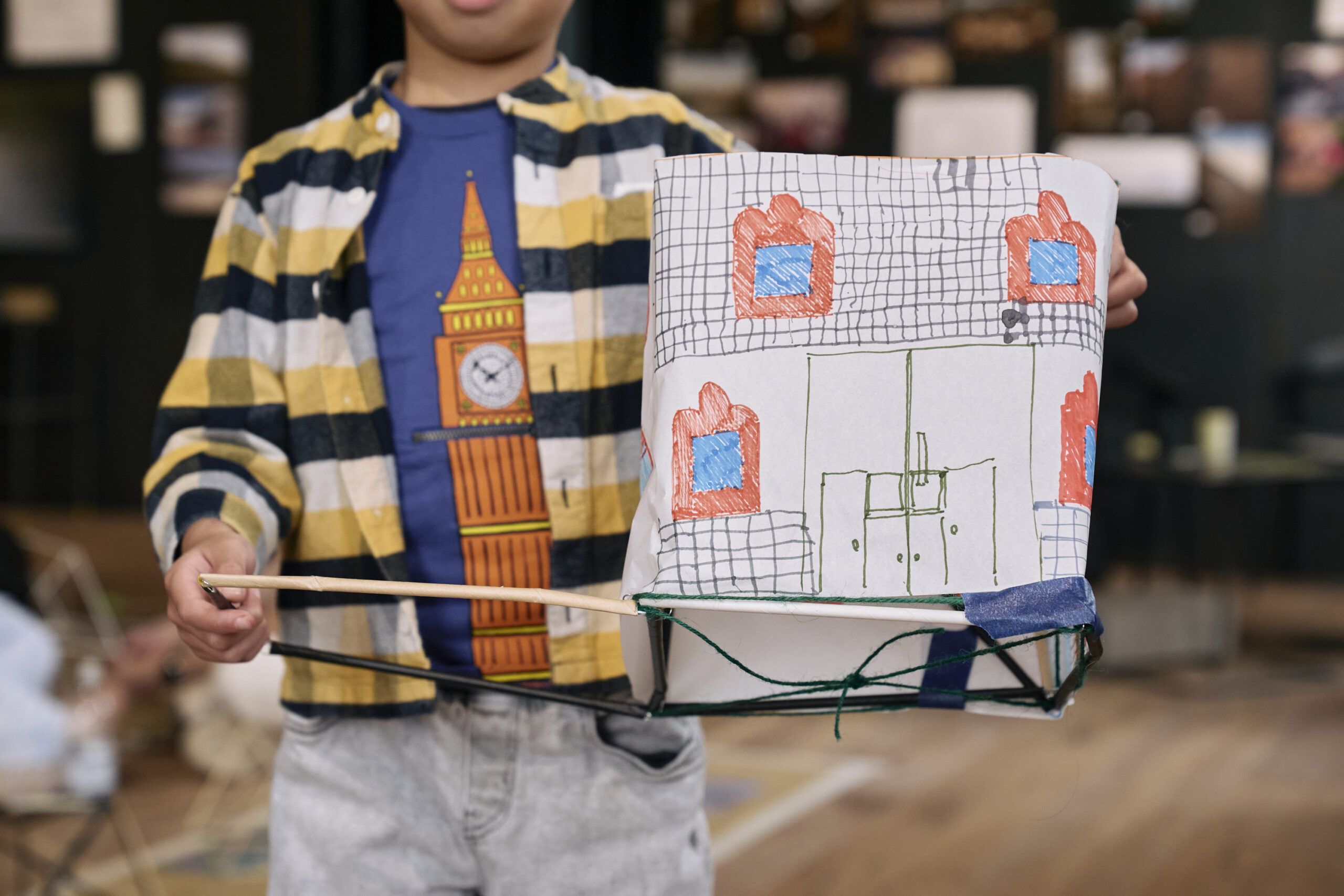
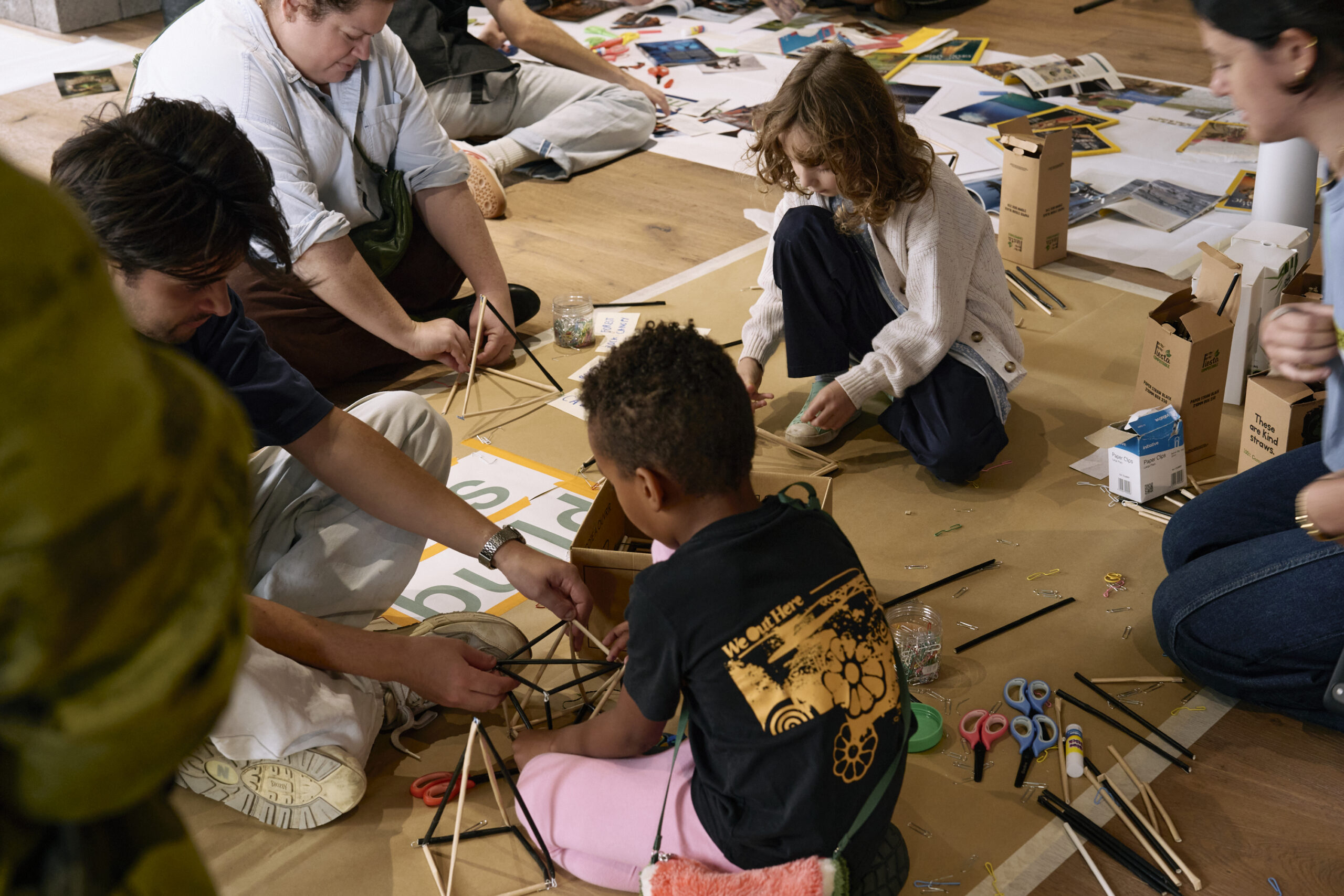
Workshop stations were tailored to specific age ranges. Guests moved from drawing the nature already present in their own classroom, to collaging what they would add, to building their ideas with straws and paperclips, and finally positioning the finished model within a large-scale printed landscape.
Inspiration came from Obra’s own setting along the Regent’s Canal; from a collection of National Geographic archive issues, where imagery of the world’s great natural wonders offered a starting point; and from the children’s own imagination. The tiny designers of the day envisioned ideas that ranged from schools floating along water toclassrooms that double as safari adventures. .
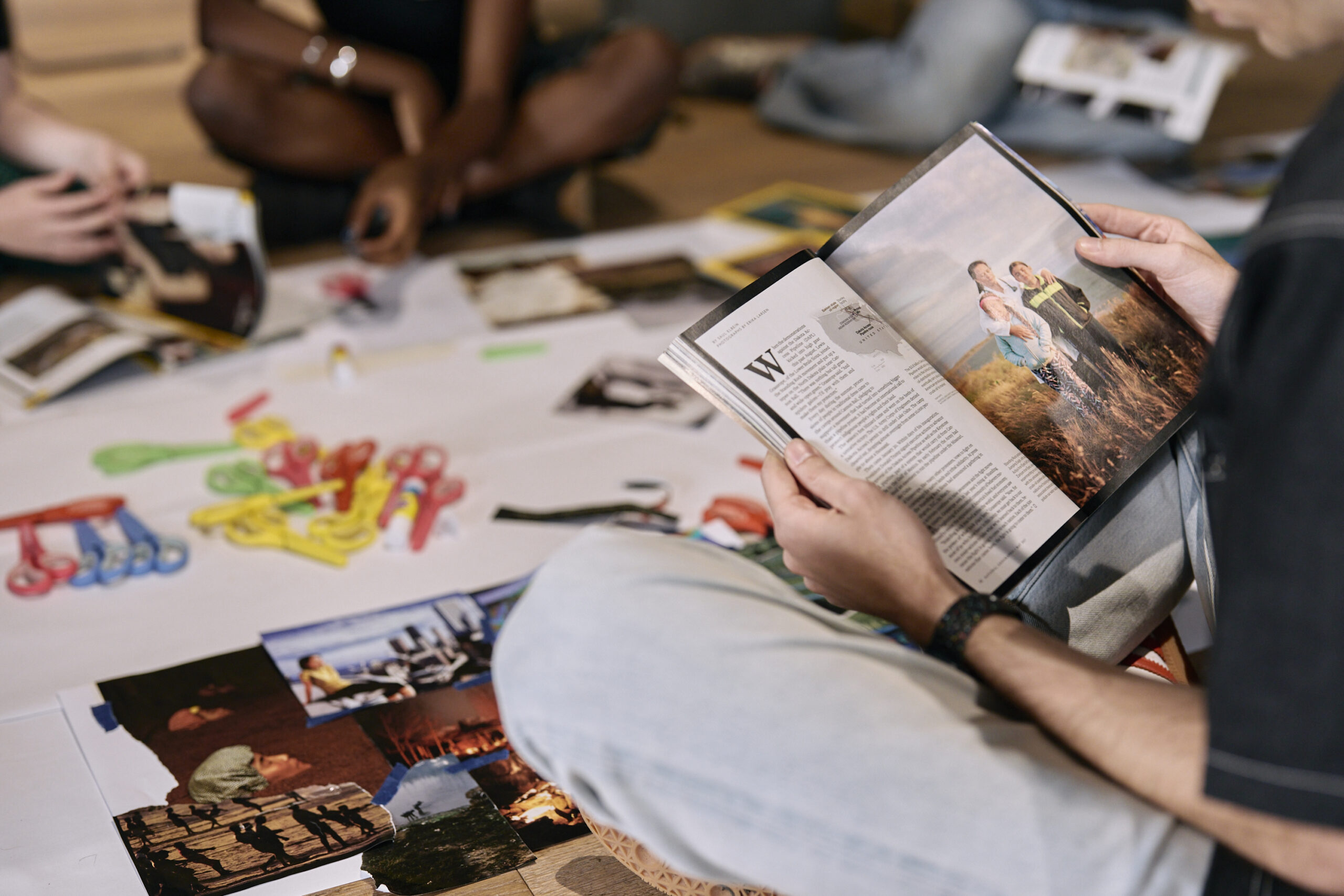
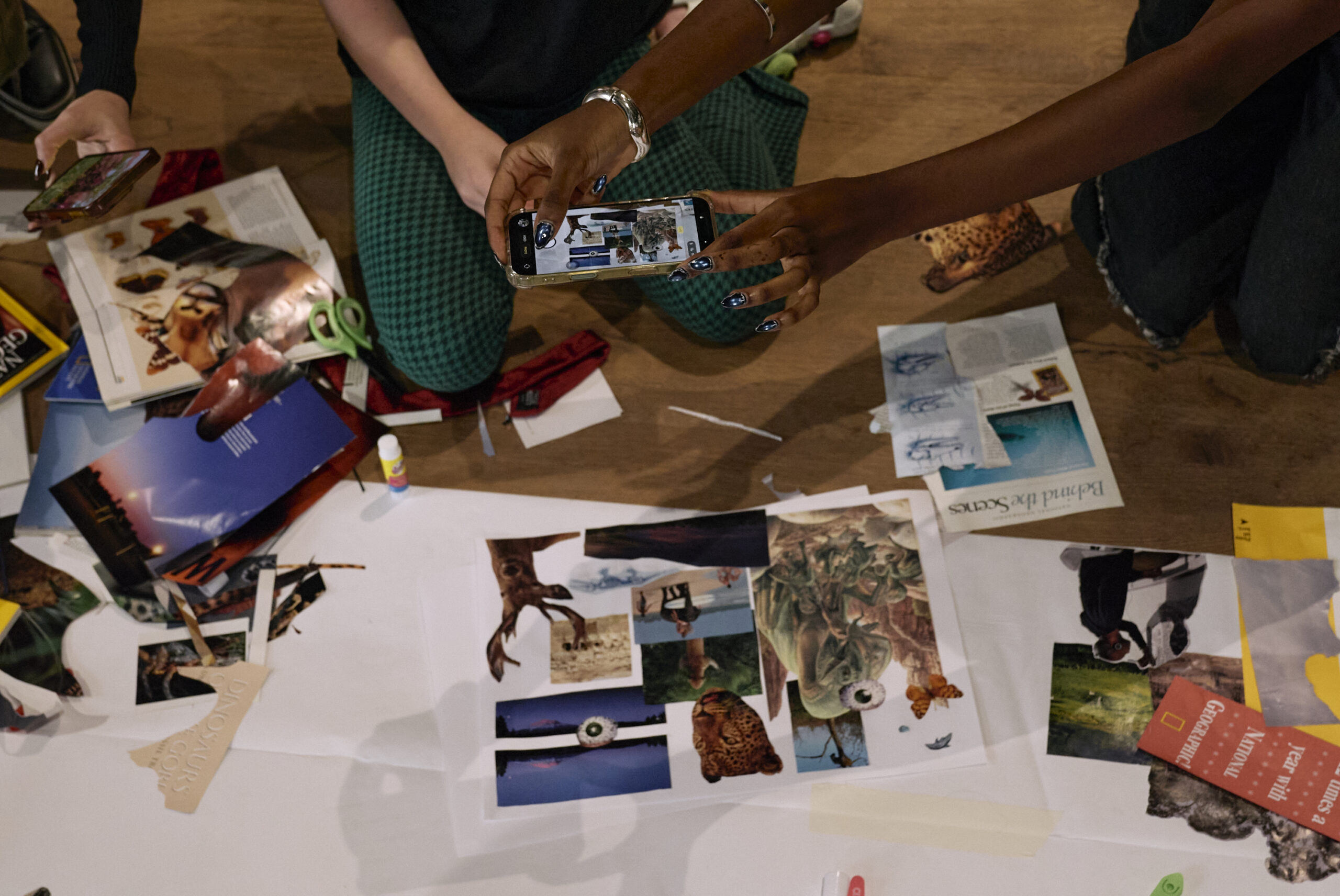
By the end of the day, Obra was filled with floating pyramids, life-size cats, structurally sound bridges, a mural imagining a utopian wonderworld, and collages spanning references from the Serengeti to the Galápagos. Bringing structural and architectural disciplines into dialogue with the creative energy of children reframed the exchange, and Obra became a classroom in and of itself. The architects in the room had as much to learn from how children see the world as the children did from them.