Academia Atlas F.C.
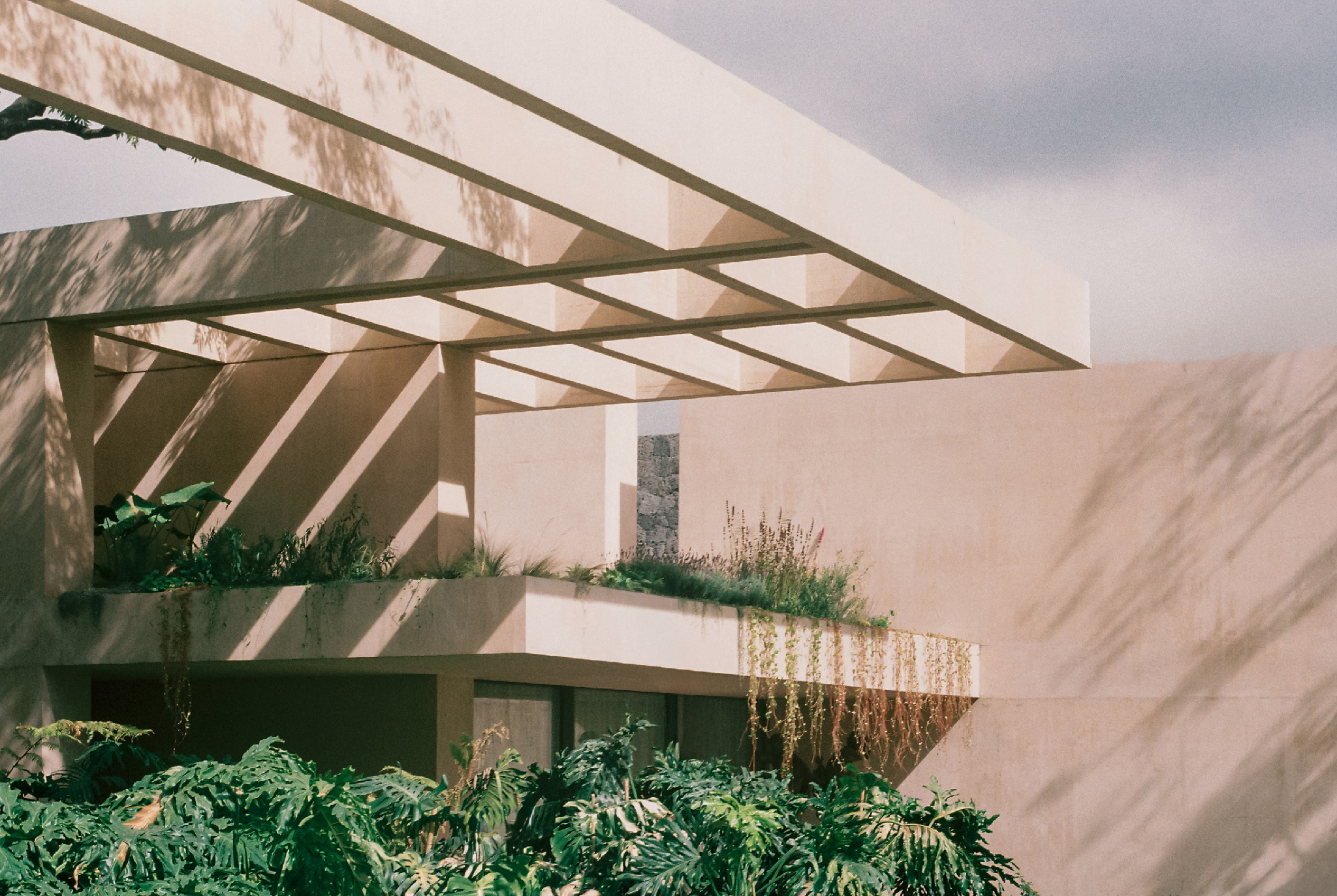
The Atlas Project is a sports, training and community complex designed for the Atlas Football Club. It gives a home to emerging and veteran athletes, supporting Mexico’s longstanding affinity with the game of football. The project works on two levels: to register the characteristics of its Guadalajara site, and to unite people through collective experience.
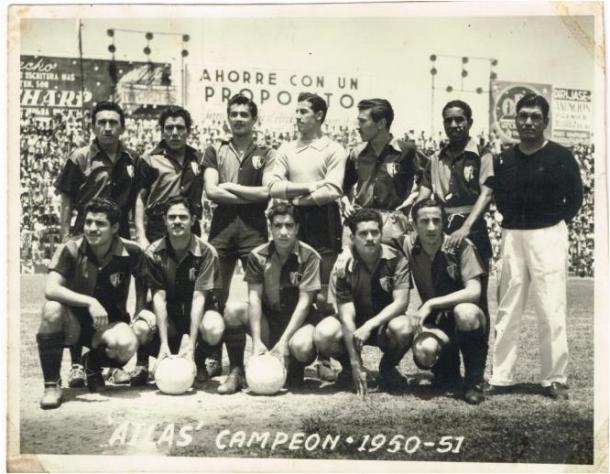
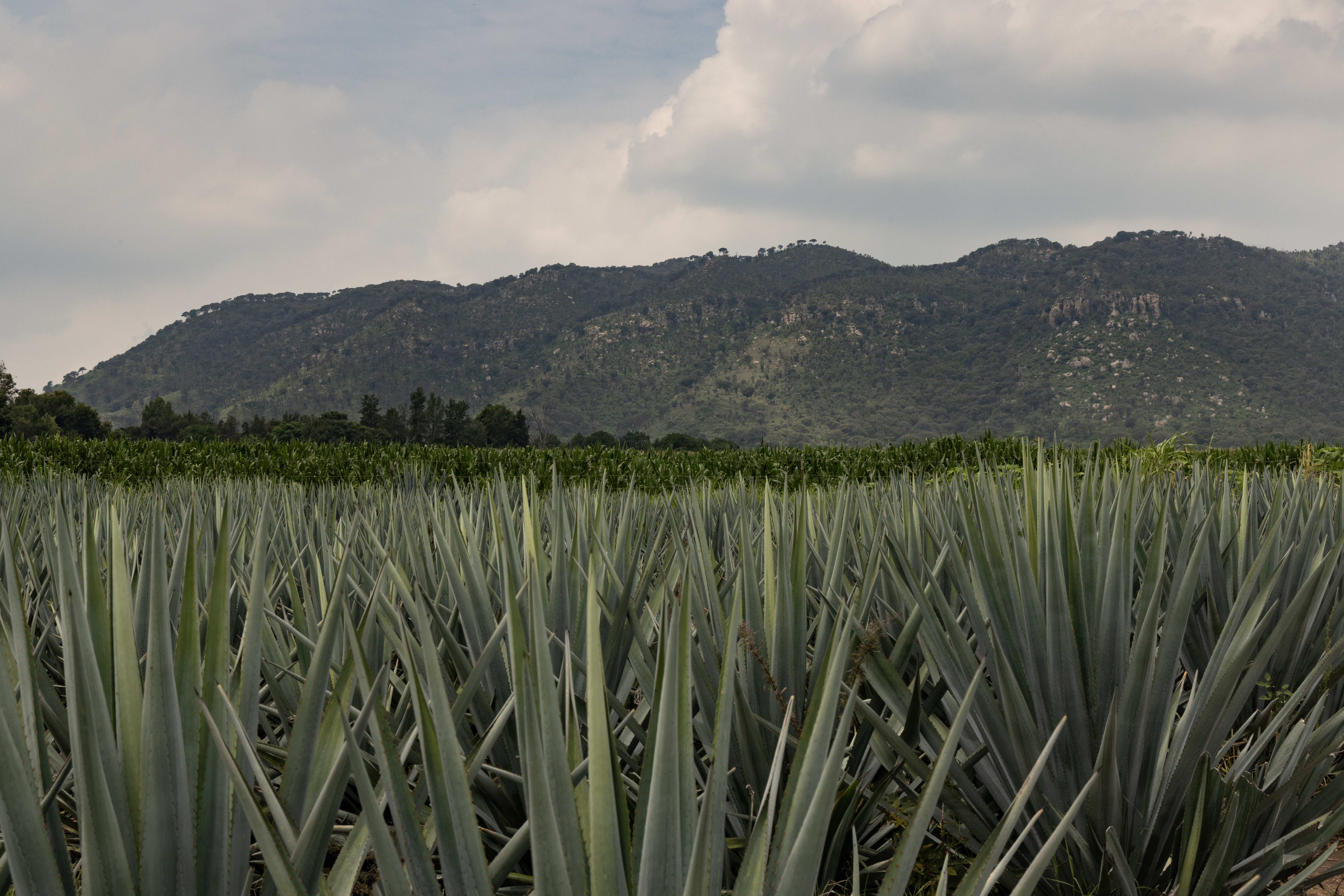
The complex is sited in Zapopan, within the Guadalajara Metropolitan Area—a municipality whose social and cultural traditions are deeply intertwined with Mexican national identity. The region is home to tequila, mariachi, and football: three forces that have shaped Mexico’s cultural image both domestically and internationally. The Atlas Project is embedded in this context, giving architectural form to a club whose values extend well beyond the game itself.
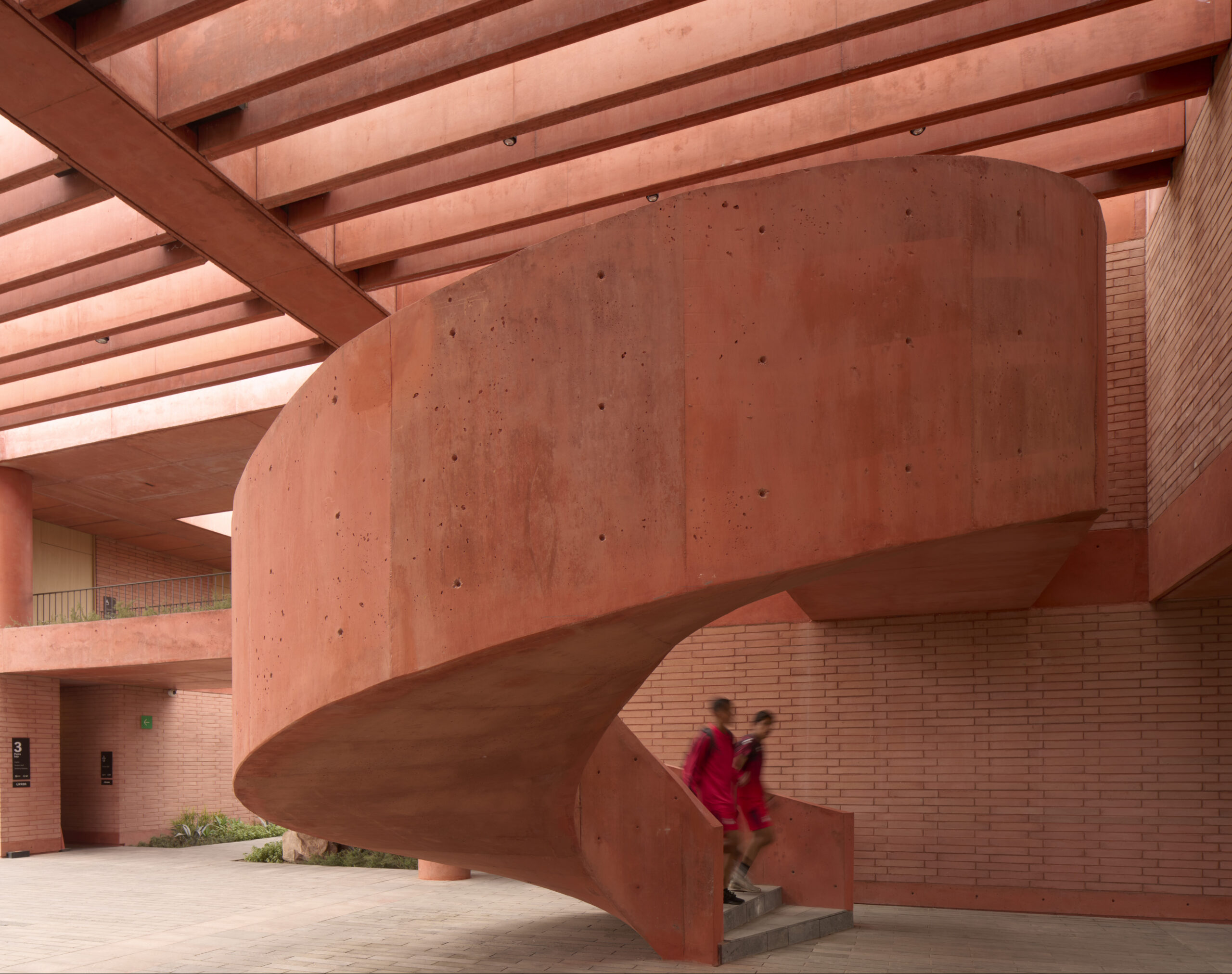
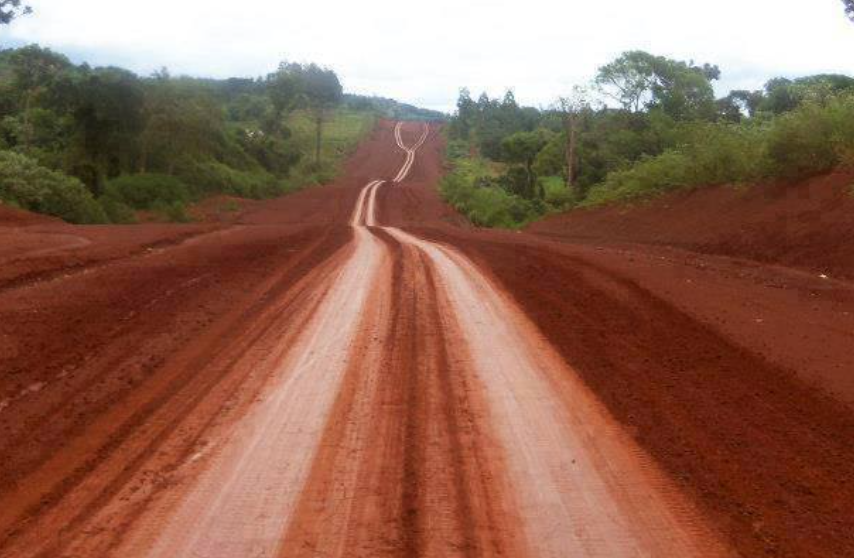
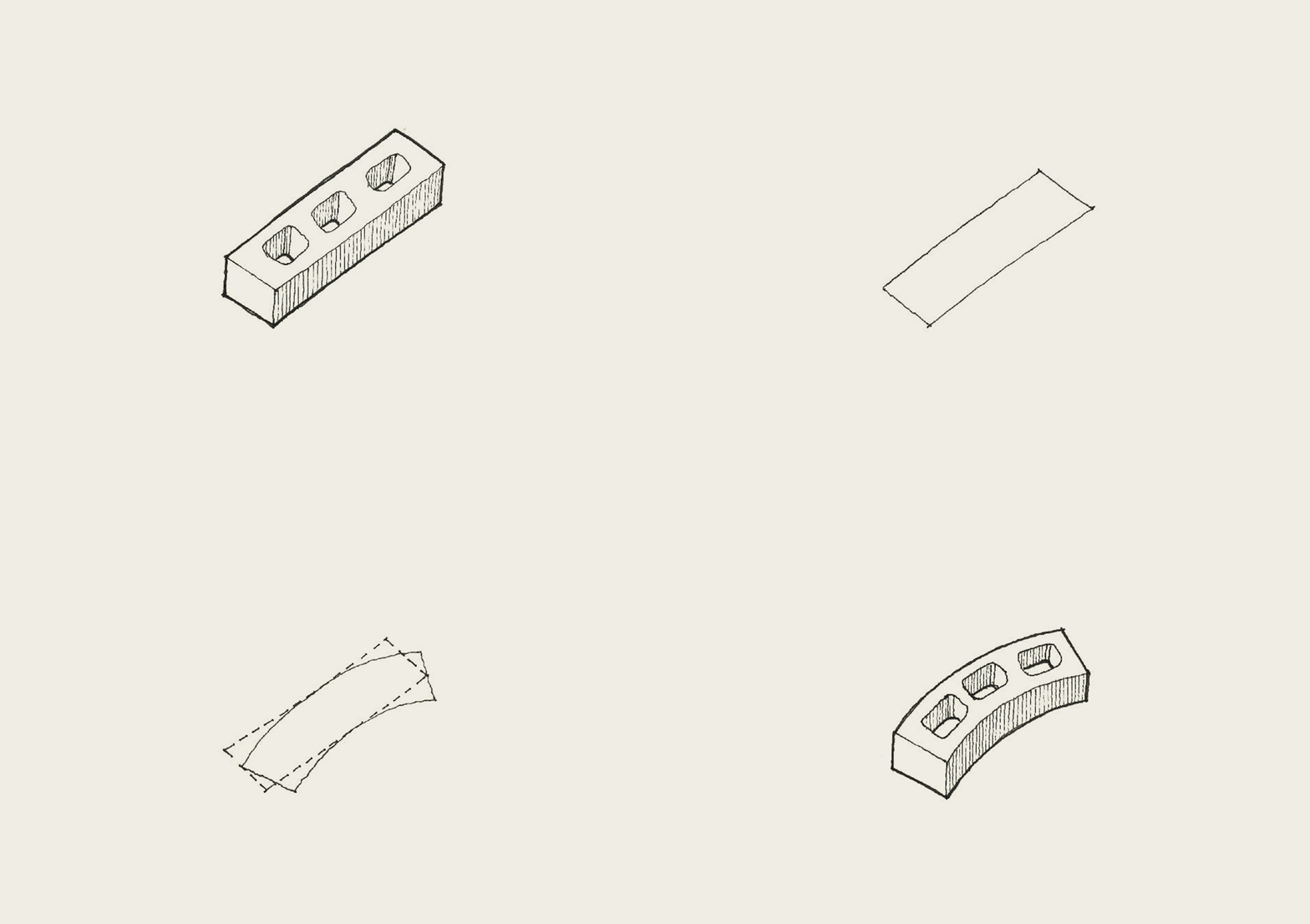
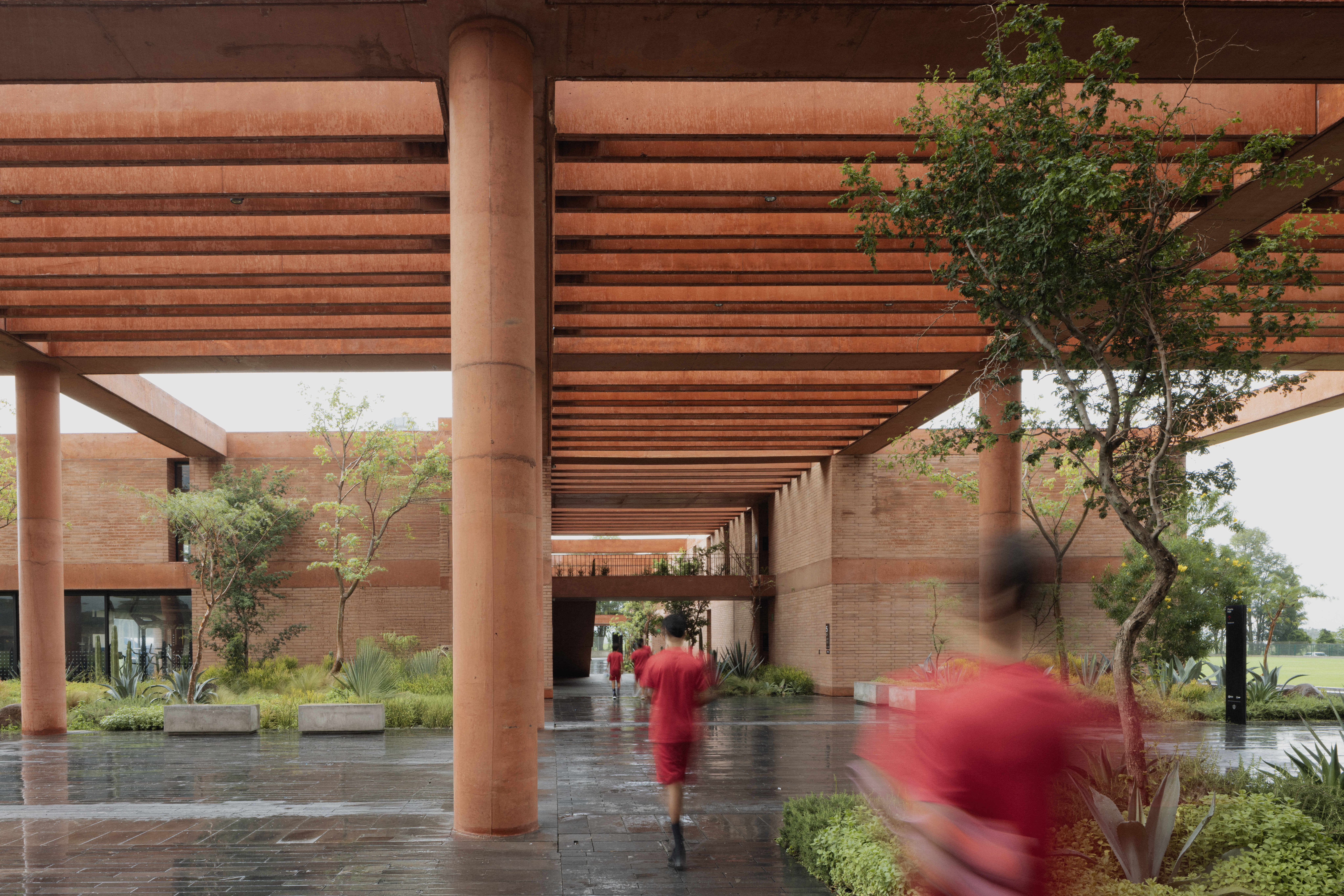
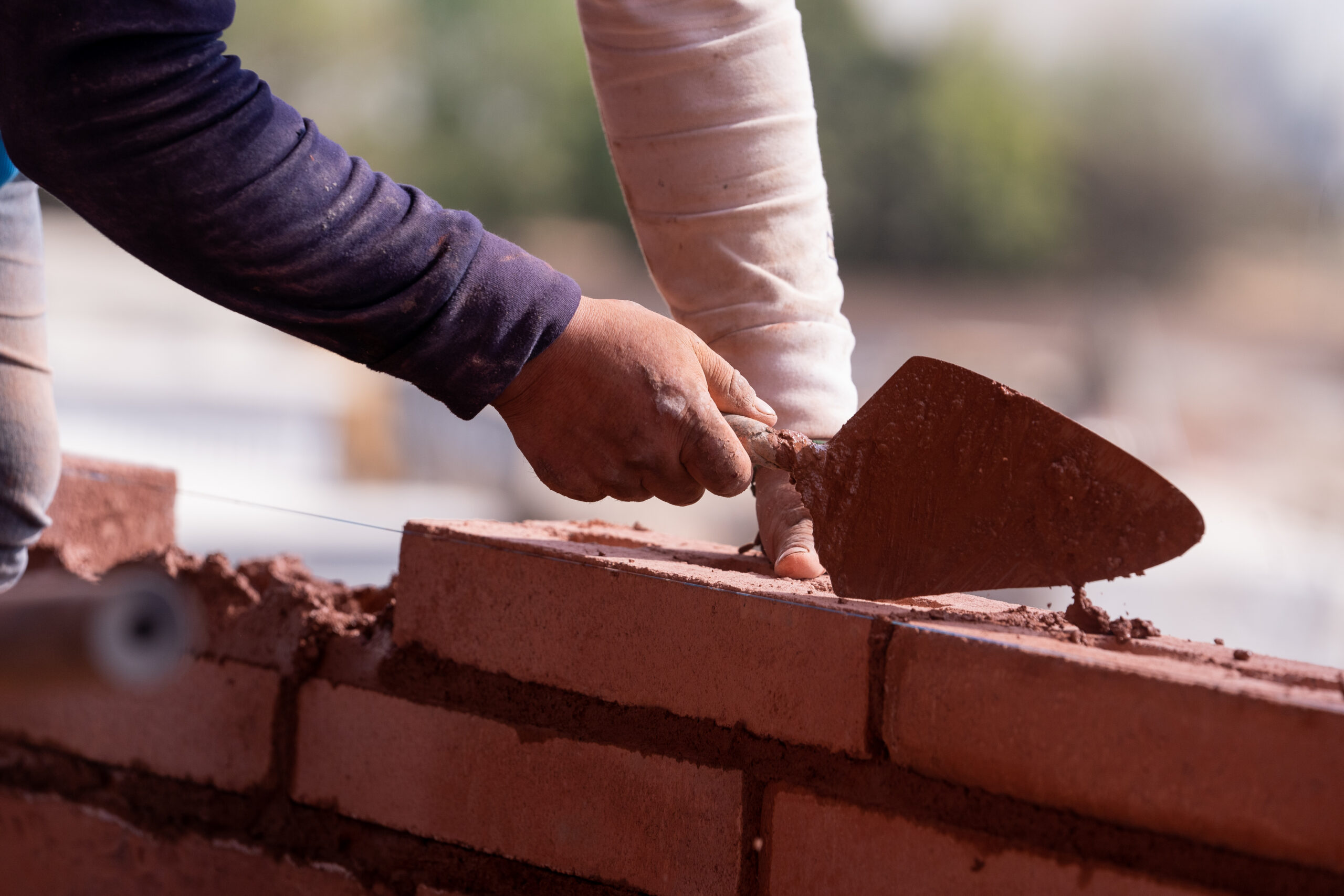
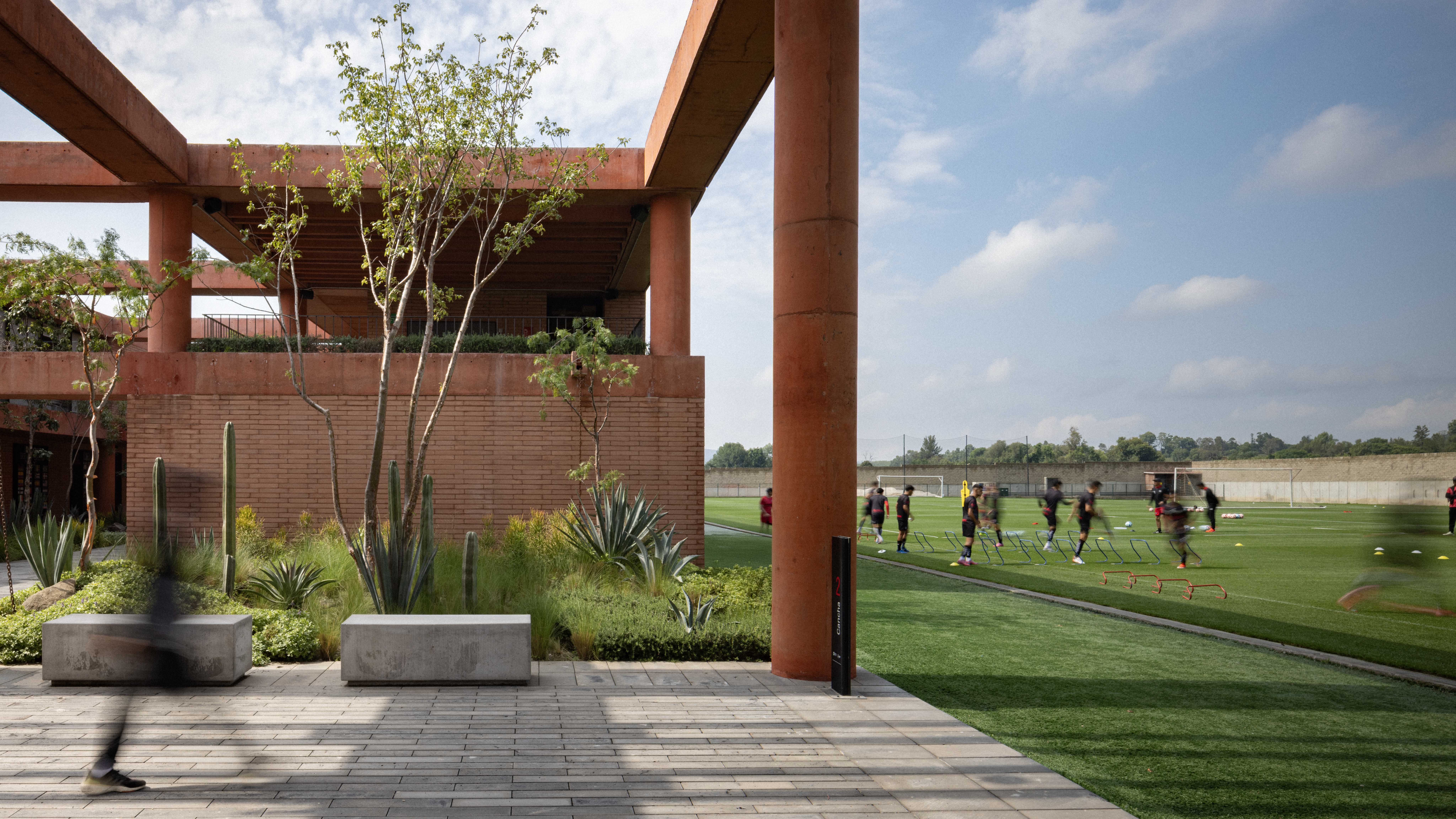
Materially, the project draws from the volcanic rock and soil of Zapopan, which is rich in iron oxides that yield tones of carmine, burgundy, and crimson to the landscape. The Atlas Project reflects this geology in its red-pigmented concrete, brick, and volcanic stone. Its design organises six football pitches around a central building, establishing a grid shaped from modular parts—a rational layout of uniform spaces that supports flexible adaptation of functions.
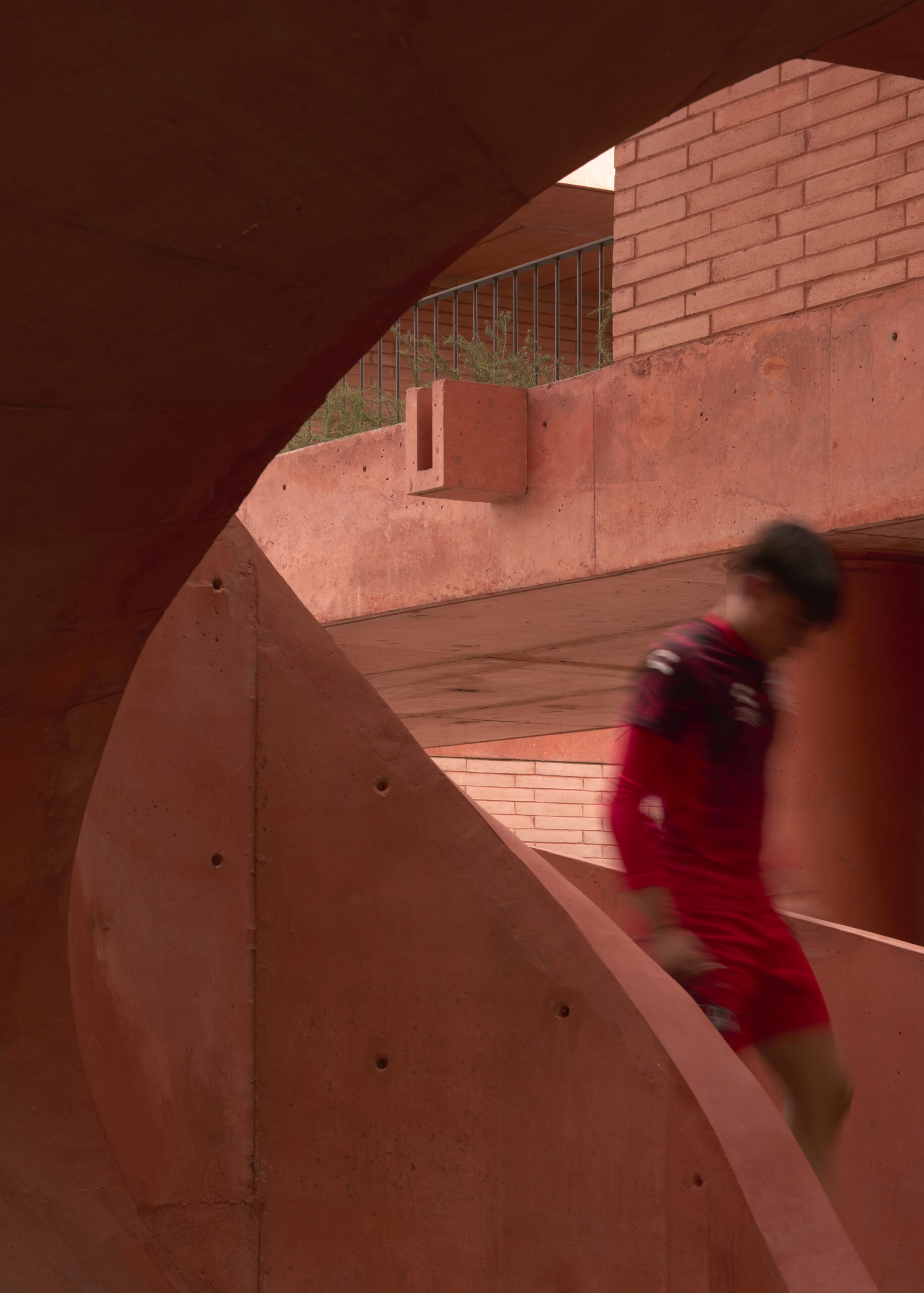
The complex is designed as a lattice that frames a series of views, with open-air voids created where columns and beams meet. The roof works as a brise-soleil, shielding occupants from the intensity of the sun without negating it fully. Native agaves and cacti appear consistently across the campus, connecting the hard material palette to the surrounding landscape. The Atlas Project incorporates intergenerational programming, creating proximity between youth and established athletes—fostering a culture of learning equally by osmosis, physicality, and observation.
Academia Atlas F.C. details
Typology
Location
Client
Status
Materials
Credits
Collaborators / Consultants
Javier Sordo Madaleno, Javier Sordo Madaleno de Haro, Fernando Sordo Madaleno de Haro, Andrés Muñoz, Edgar Beltrán, Marisol Flores, Daniel Laredo, Josué Palacios, Enrique Contreras, Ricardo Mondragón, Luis Frausto, Diego Velázquez, Marcos Hernández, Anteus, Gxa, Lua, Urbafix, Tenerife, Grupo Joben, Mitsubishi, Inteligis, El Canchero, Plantica, Gruco, Ipla, Case, Soa, Lorsa, Euroseating, Equipar
Images
Edmund Sumner, Oscar Caballero