Living Room Series 01: Abraham Cruzvillegas + Fernando Sordo Madaleno
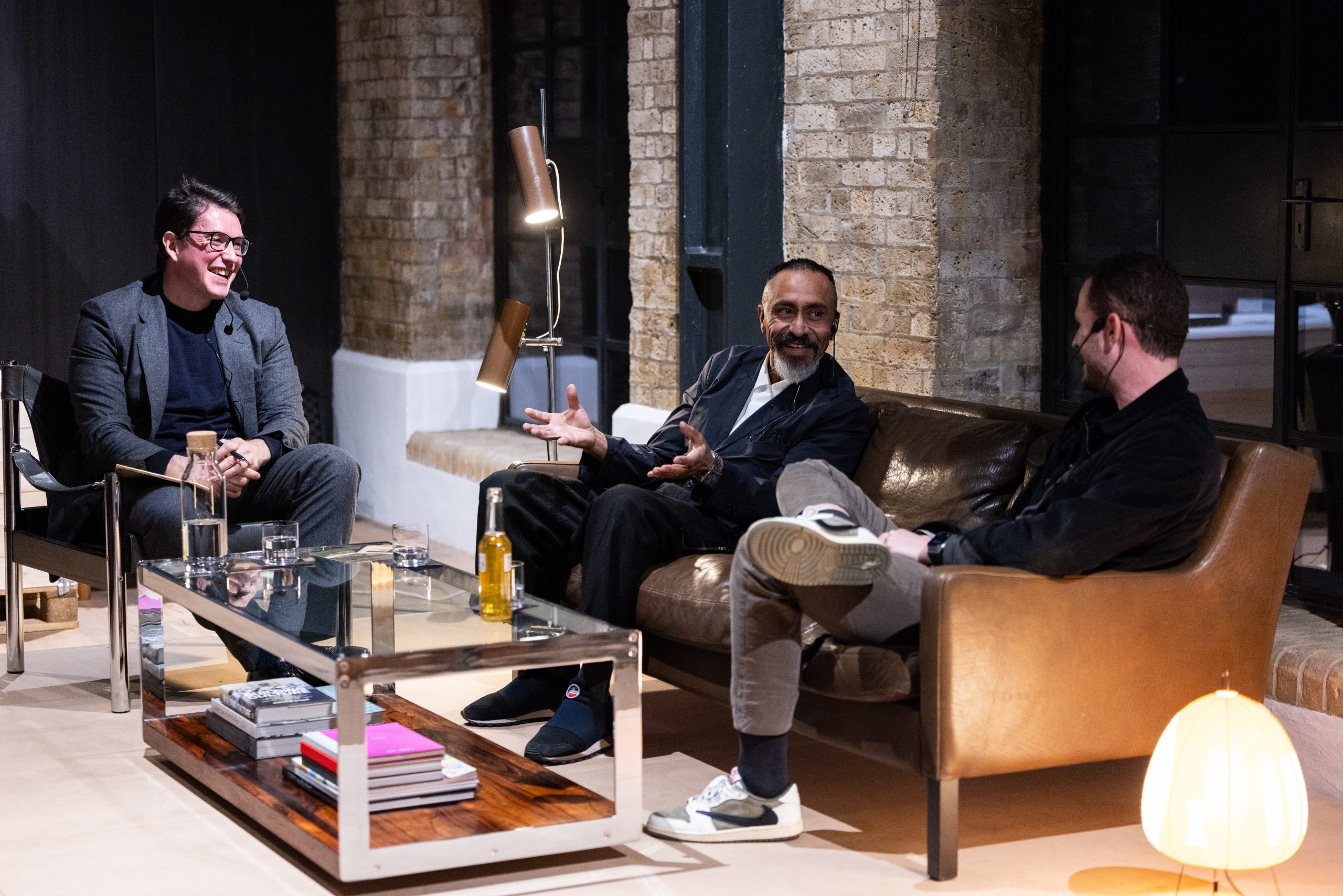
The translation of material into public memory, craft into epochal knowledge, and structure into collective experience were driving themes in the first edition of the Obra Living Room Series. The edition took the form of a public conversation between Fernando Sordo Madaleno and Mexican artist Abraham Cruzvillegas, hosted by author and art historian Julian Rose. Interweaving topics around making and material embodiment, the heart of the discussion centred on architecture and art as vessels for identity forming.
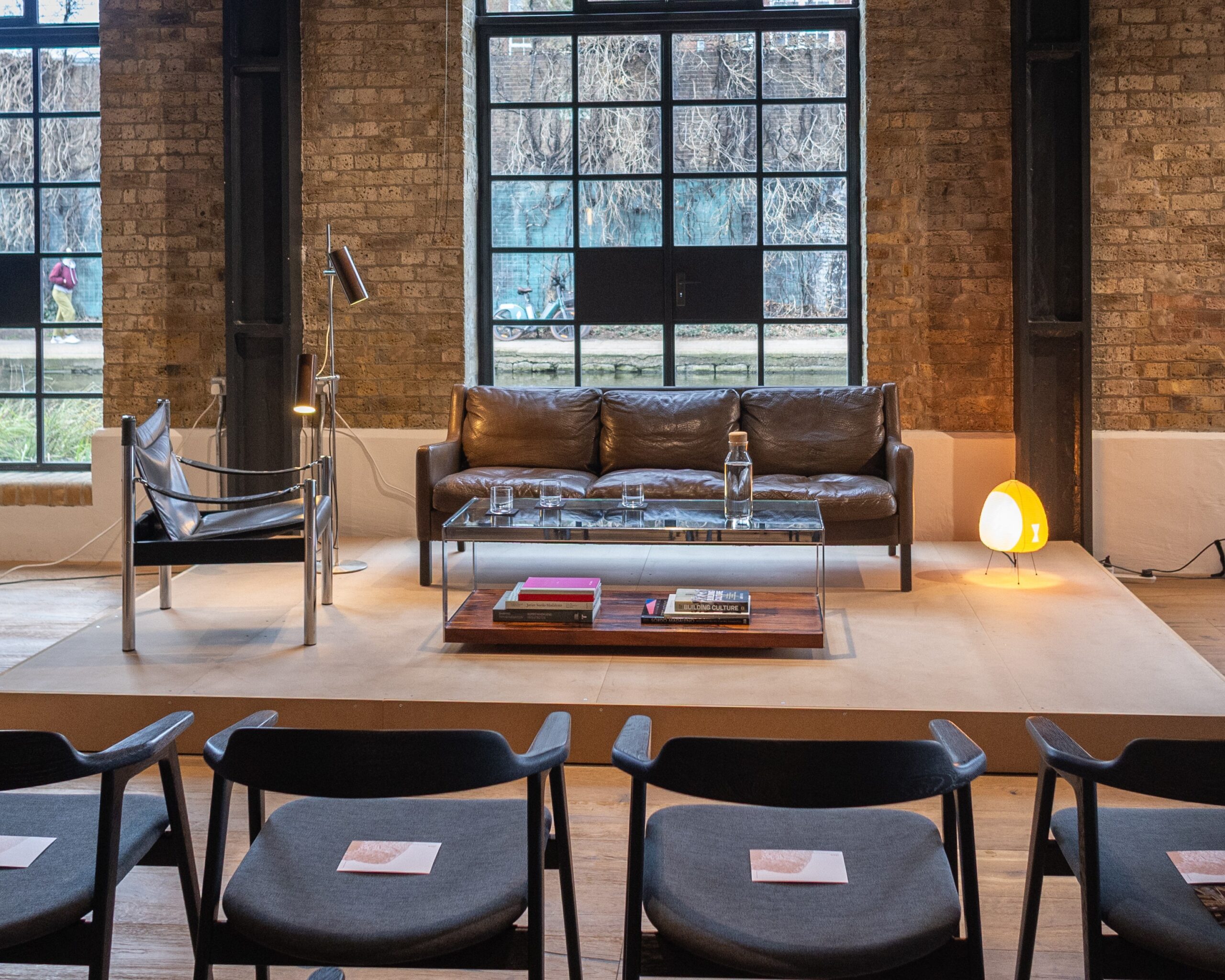
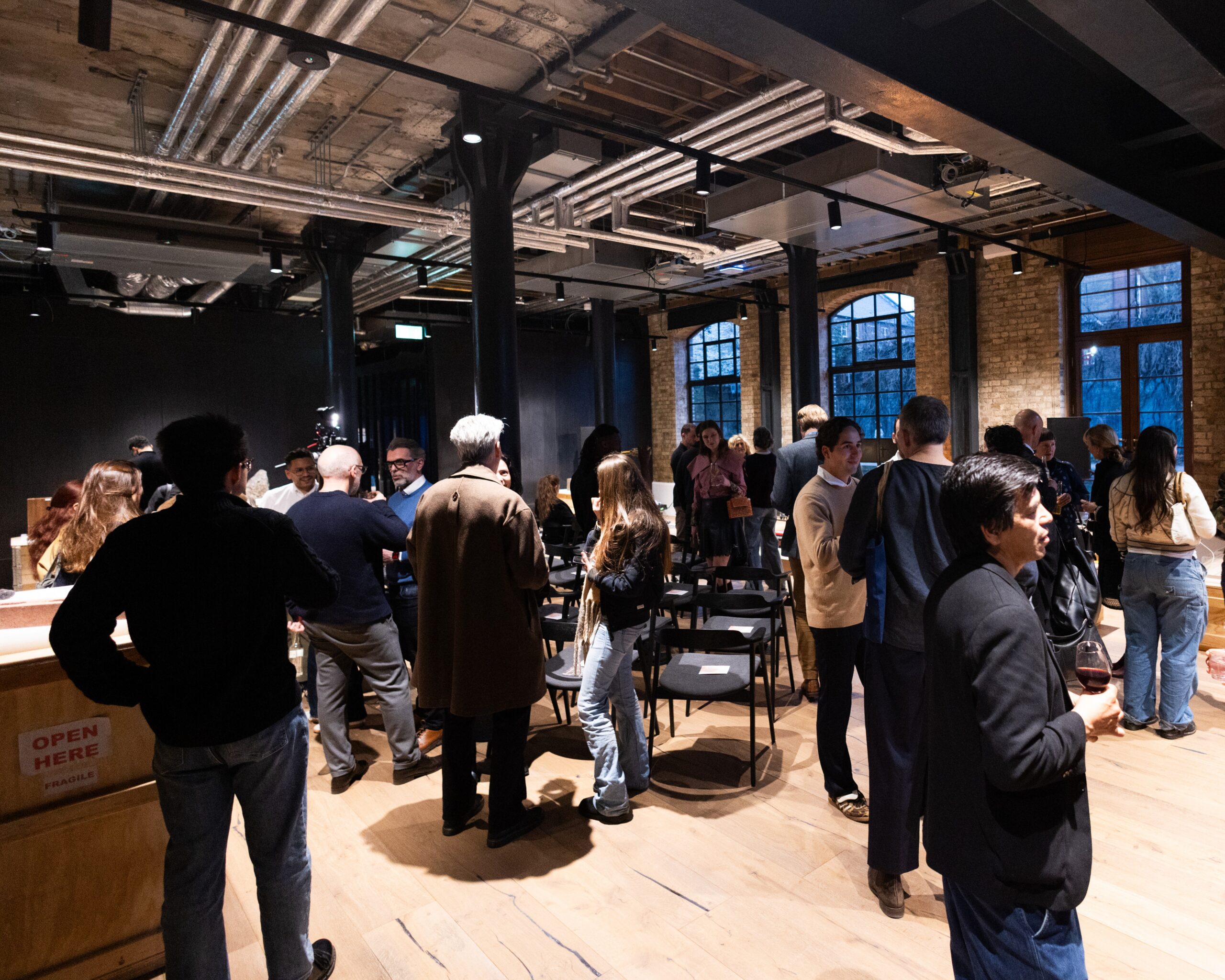
Under the title, ‘Material, Craft & Structure’, the evening set the scene for a series of events that will take place at the intersection of different disciplines, meeting a vision to bring back open dialogue into the practice of architecture. Obra’s Living Room Series presents a concept that blends the public-facing traditions of agora and salon-type discussion, with the intimacy of being inside someone’s home.
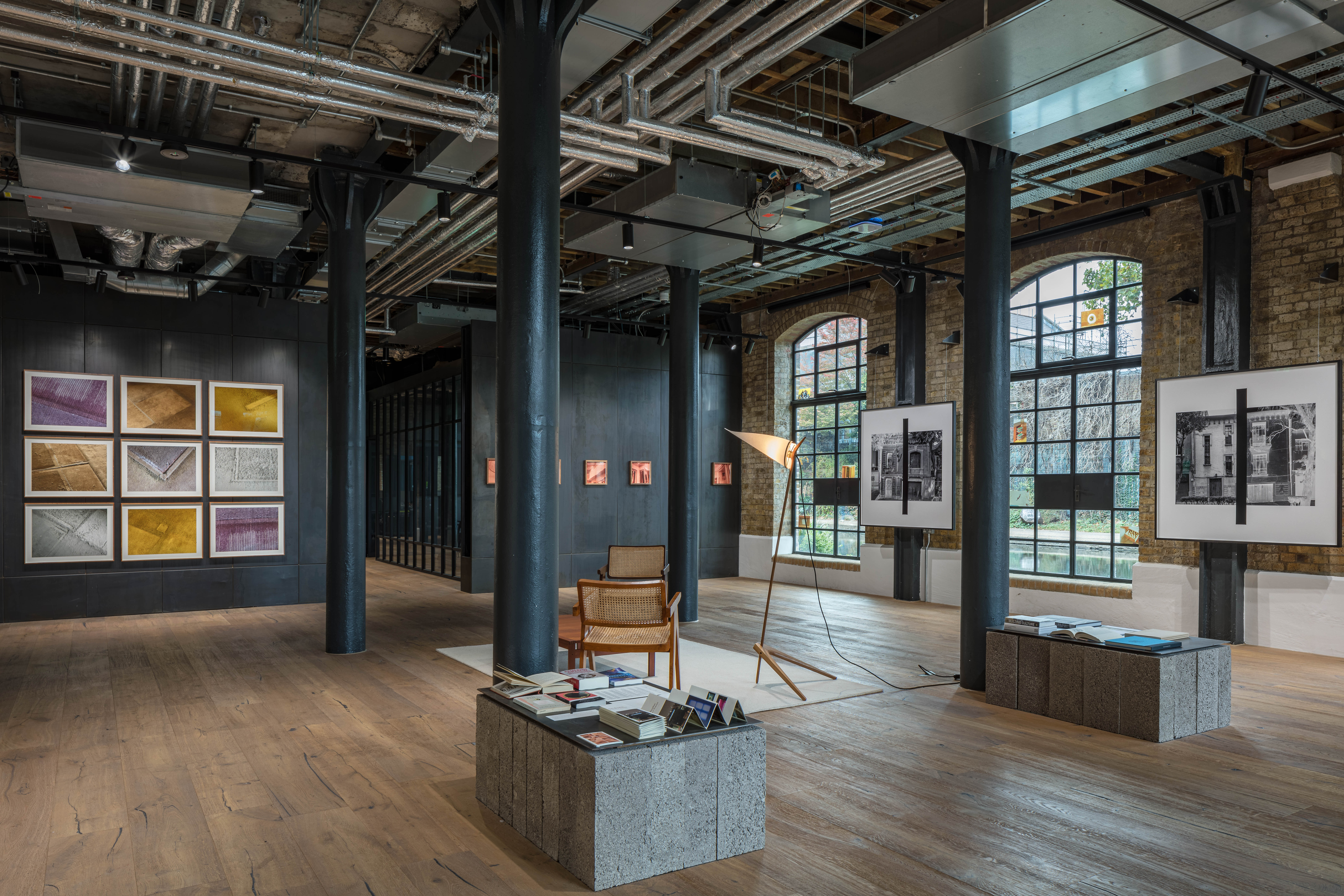
The home is Sordo Madaleno’s London Studio in King’s Cross, where the studio’s dedicated Obra space in Europe resides. Through varied global projects, Cruzvillegas and Sordo Madaleno discussed community occupation as activation—a process they contend lives at every stage of a project’s lifespan, not just at completion.
Cruzvillegas cited Arte Abierto Baja in Cabo del Sol as an example of art and architectural form becoming a living framework for community use. The project is a public art space, designed by Sordo Madaleno and inaugurated by Cruzvillegas with an installation composed of found and locally sourced materials—a work foregrounding labour, improvisation, and ‘autoconstrucción’ as cultural and spatial forces for identity making. “In the specific case of the project we made in Baja California, it’s about something that is trying to appeal to the local people. To use—literally—the work; the sculpture, the sound, the architecture, for something to happen. That something could be music, dance, or food, and so on. It’s also for use by different species, not only humans”.
Fernando Sordo Madaleno discussed the potency of architecture in offering a counter to prescribed place-making. He described the studio’s Atlas Project in Guadalajara Mexico as having moved outside its original brief to create an in-between space with no fixed programme—a space that allows community to occupy and activate in ways that gives them full ownership. “It touches on the concept of autoconstrucción, in the sense that the structure is as flexible as it can be. It can be expanded or contracted, and post-occupancy we’ve seen that this space has become a part of the whole, and it’s the part where everybody goes”.
Host and former Art Forum editor Julian Rose underscored the additional role of participatory art and architecture as a pedagogical tool, one that supports a feedback loop between its own materiality and integrity, and that of the knowledge infused into it by its communities. The talk outlined the continuity of this process—a convergence that begins and continues with an act of making.